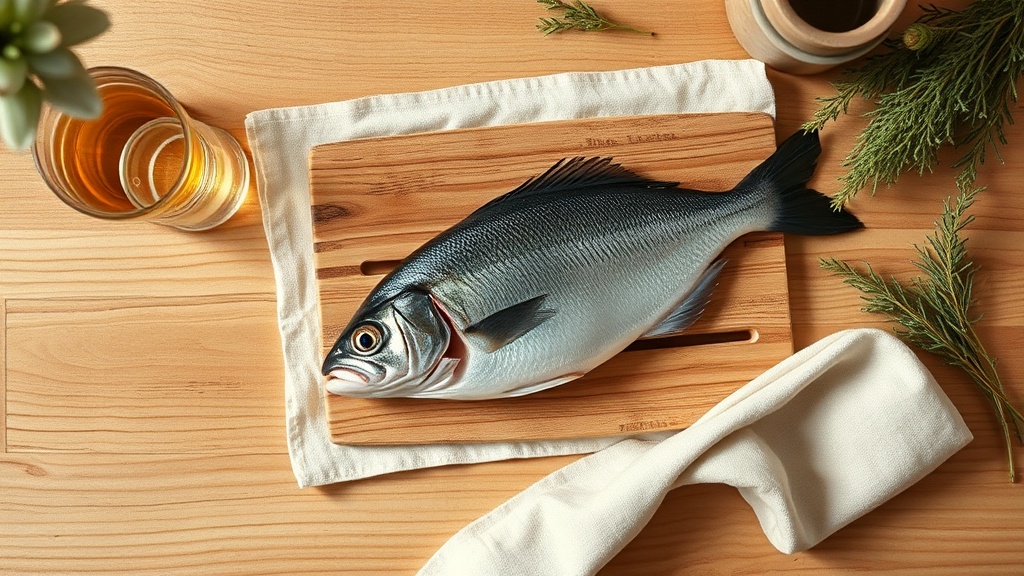
Is it safe to eat imported fish from regions with industrial contamination histories?
No. Regional fish populations concentrate legacy pollutants that aren't always labeled.
What's actually in it
Fish caught near industrial ports, river outflows, or former military sites carry higher contamination than fish from remote ocean areas. PCBs, mercury, PFAS, and dioxins accumulate in fish fat. Origin labels tell you the country but not the specific fishery. Some regions (certain parts of Asia, Eastern Europe, South America's industrial coasts) have particularly contaminated fish populations.
"Wild-caught" sounds better than farmed, but wild-caught from a contaminated source is worse than farmed from a clean one.
What the research says
Multiple recent studies including the Korsør, Denmark contamination study and the northern Canada mercury determinants study confirm that geography matters enormously for fish contamination. Industrial proximity was the strongest predictor of blood mercury in local populations.
For imported fish, look for MSC (Marine Stewardship Council) certified sustainable sources: usually indicates better-managed fisheries in cleaner waters. Alaska salmon, New Zealand, and Norway generally have cleaner fishing grounds than areas with industrial histories. For canned fish, Wild Planet and Safe Catch publish per-can testing. Smaller fish at lower trophic levels (sardines, anchovies) carry less contamination regardless of origin.
The research at a glance
| Study | Journal | Year |
|---|---|---|
| Determinants of human hair mercury, blood mercury, blood selenium, and plasma omega-3 fatty acid levels within northern Canada. | Int J Hyg Environ Health | 2026 |
What to use instead
Browse our vetted, non-toxic alternatives. Every product is third-party certified.
Shop Non-Toxic Kitchen