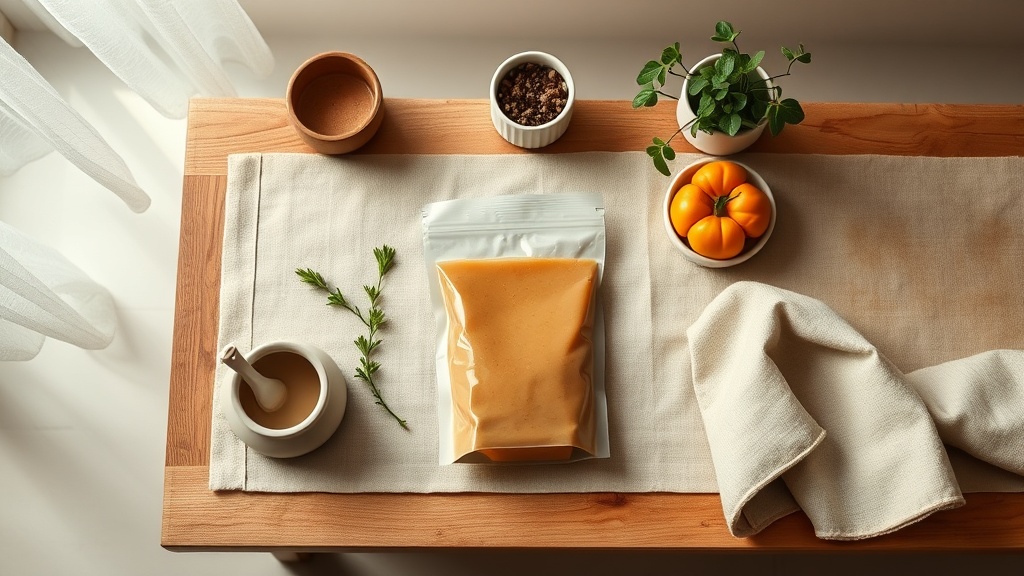
Is it safe to eat liquid foods like soups from plastic pouches?
No. Liquid foods absorb more microplastic from plastic pouches than dry foods do.
What's actually in it
Shelf-stable soups, sauces, and ready meals in plastic or plastic-lined pouches are increasingly common. The manufacturing process involves high-heat sterilization of the pouch and contents together. Liquid foods stay in contact with the plastic for the entire shelf life. Microplastic and nanoplastic transfer from liquid-to-plastic interfaces is greater than from dry foods.
Consumers often choose pouches for the "no can, no glass" convenience. The plastic contact time is longer than any alternative.
What the research says
A 2026 review in Food Res Int examined micro- and nanoplastics in liquid food, including occurrence, health risks, and migration mechanisms. Liquid foods showed significantly higher microplastic load than dry or solid foods, with the plastic packaging as the main source. Reheating in the pouch made it worse.
Cleaner storage for soups and sauces: glass jars (widely available for tomato-based products) or aseptic tetra paks (less plastic contact than pouches). Homemade soups frozen in portions in glass mason jars last for months and are cheaper. For travel or camping, dehydrated soup mixes rehydrated at mealtime skip the pouch entirely. For kids, reusable silicone pouches filled at home with smoothies or purees beat single-use plastic pouches.
The research at a glance
What to use instead
Browse our vetted, non-toxic alternatives. Every product is third-party certified.
Shop Non-Toxic Kitchen