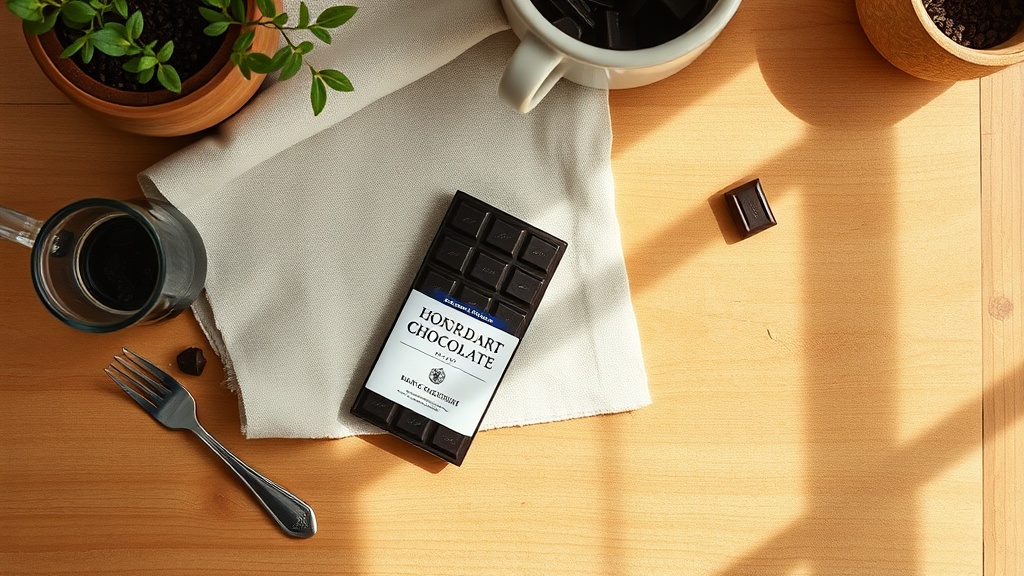
Is it safe to eat the same brand of dark chocolate daily for antioxidants?
Not ideal. Daily dark chocolate stacks cadmium and lead if you stick to one brand.
What's actually in it
Cacao plants pull cadmium out of soil during growth. The metal ends up in the bean and then in the chocolate bar. Some growing regions (Ecuador, parts of Peru) naturally have higher cadmium soils than others (West Africa). Different brands source from different regions, so cadmium levels vary by several times across products on the same shelf. Lead also shows up in dark chocolate, usually from post-harvest contamination during drying.
Daily dark chocolate is a well-meaning habit. It concentrates exposure if the daily bar is from one consistent high-cadmium source.
What the research says
A 2026 study in Food Chem Toxicol measured selected metals in commercial chocolate bars and ran a health risk assessment. Regular consumers of dark chocolate could reach or exceed tolerable weekly intakes for cadmium, with some brands single-handedly responsible for most of the dose. Milk chocolate had lower levels because of the dilution.
Consumer Reports and As You Sow both publish regular heavy metals testing of chocolate brands. Rotating through the lower-metal brands (the list changes year to year) spreads the exposure. 70% cacao hits the sweet spot between antioxidant benefit and metal content: 85% and 90% bars have more cacao solids and proportionally more metals. A square or two a day, rotated across brands, is the cleaner habit.
The research at a glance
| Study | Journal | Year |
|---|---|---|
| Analytical measurement and human health risk assessment of selected metals from commercial chocolate bars. | Food Chem Toxicol | 2026 |
What to use instead
Browse our vetted, non-toxic alternatives. Every product is third-party certified.
Shop Non-Toxic Kitchen