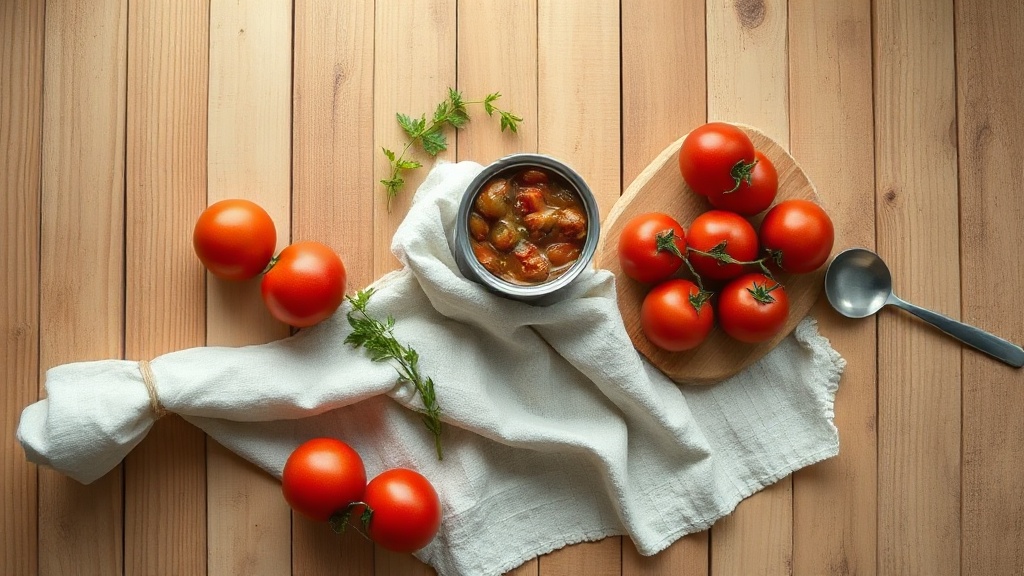
Is it safe to eat tomatoes from cans with BPA lining?
Caution. Acidic tomatoes leach more BPA from can liners than any other common canned food. Look for brands in glass jars or verified BPA-free cans.
What's actually in it
Canned tomatoes are one of the highest-risk bisphenol exposures in your pantry. The reason: acid dramatically increases BPA leaching. Tomatoes are highly acidic (pH around 4.0), which breaks down the epoxy lining of steel cans faster than neutral foods like beans or corn. More breakdown means more BPA in your food.
A can of whole tomatoes can transfer significantly more BPA into its contents than a can of chickpeas from the same manufacturer with the same lining. Cooking the tomatoes while still in the can (like making pasta sauce) accelerates this further because heat also increases migration.
What the research says
Studies on bisphenol migration consistently find that temperature and acidity are the two biggest factors in how much BPA moves from liner to food. A 2026 study on bisphenol exposure effects confirmed lasting cognitive effects from dietary bisphenol exposure in developing children, with food packaging identified as a primary dietary route.
The tomato scenario combines both risk factors: high acid content and often heating during cooking. Switching to tomatoes in glass jars removes the metal-epoxy lining from the equation entirely. Tetra Pak cartons are another option, though their inner layers vary by manufacturer.
The research at a glance
| Study | Journal | Year |
|---|---|---|
| Perinatal bisphenol exposure and working memory | Peer-reviewed toxicology | 2026 |
What to use instead
Browse our curated non-toxic alternatives. Every product is third-party certified.
Shop Non-Toxic Kitchen