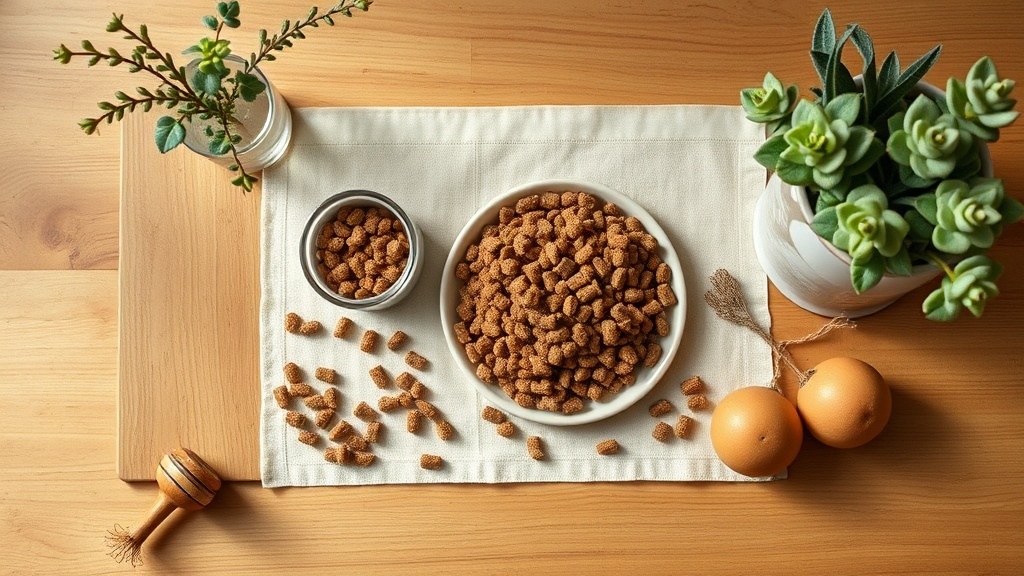
Is it safe to feed dogs and cats conventional kibble with PFAS-contaminated ingredients?
Not ideal. Pet food widely carries PFAS that shorten pet lifespans.
What's actually in it
Pet food is made from meat byproducts, grains, and fish ingredients that carry whatever PFAS were in the original animals or crops. The bags themselves are often fluorinated plastic or PFAS-coated paper, adding to the load. Pets eating a single kibble brand for years concentrate the exposure.
Dogs and cats are the family members most heavily exposed to their own food, and they're also the smallest, which means the per-pound dose is the highest.
What the research says
A 2026 study in Environ Pollut documented widespread PFAS contamination in pet food, mapped dietary sources, and assessed health risks to companion animals. Most commercial foods tested had detectable PFAS. Some had levels comparable to what would be considered high for humans, which is a lot more concerning per pound of body weight for a 15-pound cat.
For pets, rotating brands reduces single-source exposure. Brands that publish ingredient sourcing and testing (Fromm, Orijen in some regions, The Farmer's Dog for fresh food) are better-documented. Home-cooked pet food (with vet guidance for nutritional balance) skips the bag and uses whole ingredients. For cats, freeze-dried raw diets are another lower-processing option. PFAS levels in wet food in cans with BPA-free linings tend to be lower than dry kibble.
The research at a glance
| Study | Journal | Year |
|---|---|---|
| Widespread PFAS contamination in pet food: Dietary sources and health risks to companion animals. | Environ Pollut | 2026 |
What to use instead
Browse our vetted, non-toxic alternatives. Every product is third-party certified.
Shop Non-Toxic Home