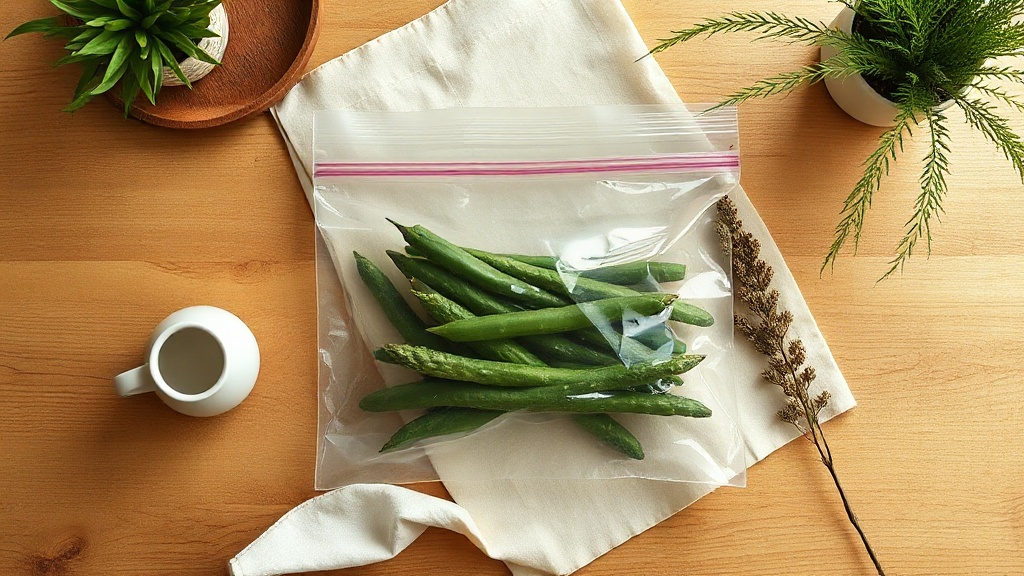
Is it safe to microwave food in a plastic bag?
Avoid. Microwaving in plastic bags releases bisphenols, phthalates, and other plasticizers directly into food. Use glass or ceramic instead.
What's actually in it
Plastic bags contain a mix of plasticizers, stabilizers, slip agents, and antioxidants that keep the plastic flexible and durable. When microwaved, these additives heat up faster than the food, and migration rates from plastic to food skyrocket. Many plastic bags also contain bisphenols in the polymer itself or as additives.
Even bags labeled "microwave-safe" are only required to meet a minimum safety standard, not a zero-migration standard. The "safe" label means the bag won't melt or deform, not that no chemicals move into your food.
What the research says
Studies on plastic-food migration consistently show that heat is the single biggest factor increasing chemical transfer from plastic to food. A 2026 study in J Agric Food Chem found that PET microplastics from food packaging compromise the intestinal barrier, and researchers note that heating accelerates the process. The microwave creates hot spots where plastic contact is especially intense.
Glass containers take the same time to microwave food and produce zero chemical migration. There's no reason to microwave in plastic when glass is available.
The research at a glance
| Study | Journal | Year |
|---|---|---|
| PET microplastics and intestinal barrier compromise | J Agric Food Chem | 2026 |
What to use instead
Browse our curated non-toxic alternatives. Every product is third-party certified.
Shop Non-Toxic Kitchen