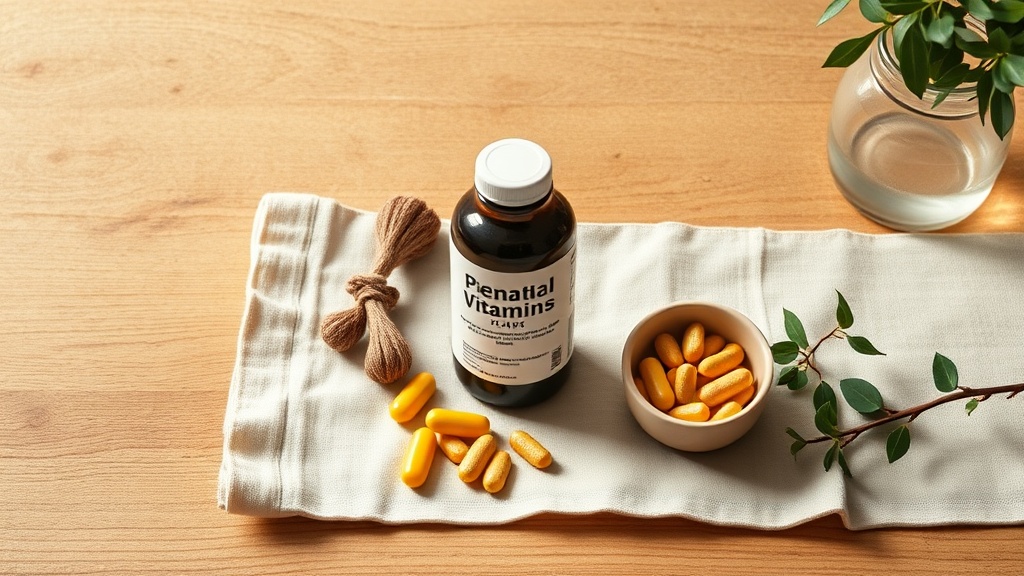
Is it safe to rely on prenatal vitamins alone without considering tin from canned food?
No. Prenatal vitamins don't offset tin exposure. Reducing intake matters.
What's actually in it
Prenatal vitamins provide essential nutrients during pregnancy: folate, iron, calcium, B12, DHA, iodine. They don't protect against environmental chemical exposures. Tin from canned food moves through the bloodstream to the placenta on its own. Vitamins can't prevent or reverse that.
Some pregnant women rely more heavily on canned foods because of convenience or financial constraints during pregnancy. Understanding the tin question matters for that population especially.
What the research says
A 2025 study in Environ Toxicol documented that excessive exposure to tin during pregnancy may cause fetal neural tube defects. The exposure levels matched regular canned food consumption. Canned tomatoes, pineapple, and citrus juices were the highest tin sources because acid accelerates tin leaching from the can.
Realistic swaps: glass-jarred tomatoes and pasta sauce instead of canned. Fresh or frozen citrus instead of canned juice. Beans cooked from dried or in glass jars instead of canned. When canned food is really needed, look for BPA-free, tin-free coated cans, and don't keep food in an opened can in the fridge (transfer to glass). Prenatal vitamins are still important; they just don't cover the environmental side.
The research at a glance
| Study | Journal | Year |
|---|---|---|
| From Association to Mechanism: Excessive Exposure to Tin During Pregnancy May Cause Fetal Neural Tube Defects. | Environ Toxicol | 2025 |
What to use instead
Browse our vetted, non-toxic alternatives. Every product is third-party certified.
Shop Non-Toxic Baby