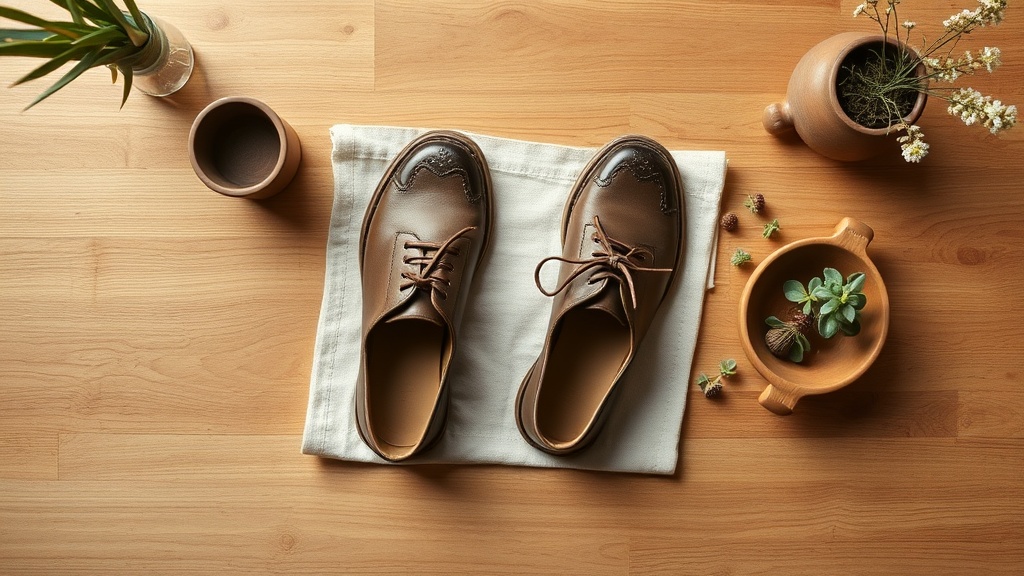
Is it safe to skip shoe-off policies at home in urban environments?
No. Outdoor shoes track pesticide, heavy metal, and microplastic residues into your home.
What's actually in it
Outdoor shoes pick up pesticide residues from sidewalks, lawn treatments from neighbors' yards, heavy metals from road dust, PAHs from traffic exhaust, and PFAS from various urban sources. These deposit wherever the shoes go inside the home: carpet, floors, furniture. Kids sitting on the floor or crawling pick up the highest share of what was just tracked in.
A shoe-off policy is one of the highest-leverage hygiene changes for indoor air quality.
What the research says
A 2026 study in J Hazard Mater on organic contaminants of emerging concern in indoor dust identified shoes as a significant source of outdoor chemical tracking into homes. Households with strict shoe-off policies had measurably lower levels of certain chemicals in their indoor dust.
Setting up a shoe-off zone: a mat at the door with a basket or rack for shoes. House slippers or clean indoor-only footwear for family members who want it. A bin of clean socks for guests if shoeless feels awkward. For the family member working in a dirty environment (lab, farm, construction), changing work clothes at the door also keeps outdoor chemistry out. Asking guests politely is rarely a problem once kids are involved.
The research at a glance
| Study | Journal | Year |
|---|---|---|
| Occurrence and sources of organic contaminants of emerging concern in indoor dust: A global perspective. | J Hazard Mater | 2026 |
What to use instead
Browse our vetted, non-toxic alternatives. Every product is third-party certified.
Shop Non-Toxic Home