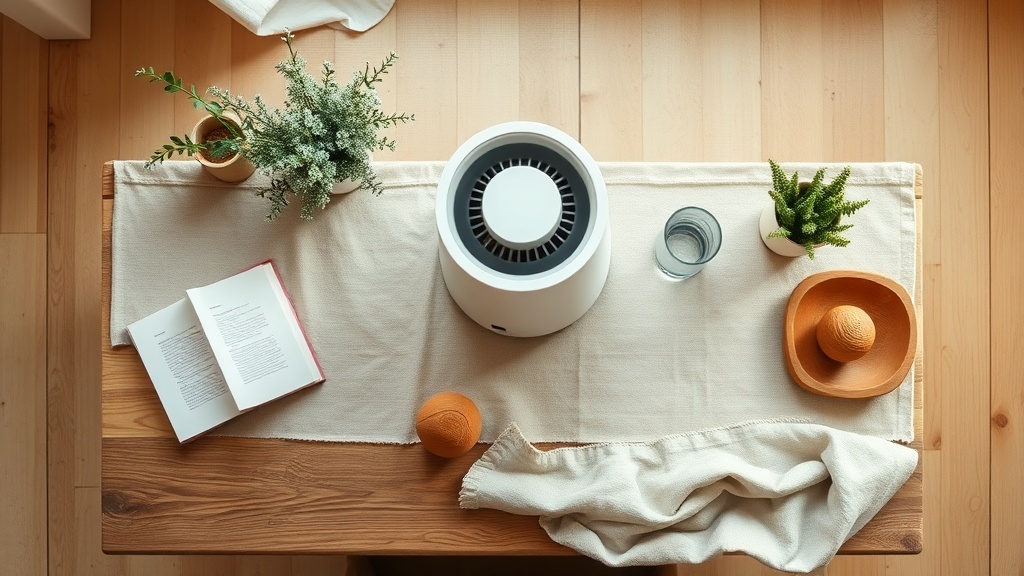
Is it safe to sleep in the same room as an air purifier that produces ozone?
No. Ozone is a lung irritant, not a bedroom air cleaner.
What's actually in it
Ozone generators and some ionizing or plasma air cleaners add ozone (O3) to the room. Ozone is a reactive gas. Outside, it is part of smog. Inside, it can irritate lungs and react with other indoor chemicals.
A bedroom is the wrong place for an ozone device. Sleep means long, steady exposure in a closed room. If the purifier has an ozone, ionizer, plasma, or "sanitize" setting, turn that setting off.
What the research says
The EPA guidance on ozone generators says inhaled ozone damages lungs and can cause chest pain, coughing, shortness of breath, and throat irritation. The EPA also says ozone has little ability to remove indoor air pollutants at levels that stay within public health standards.
The EPA home air cleaner guide points people toward HEPA filters for particles and activated carbon for gases. That is the safer path: a true HEPA air cleaner, activated carbon when odors or gases are the issue, and no ozone feature.
Do not run an ozone purifier in a room where people sleep. If you already own one, check the manual and turn off the ozone or ionizer mode. For smoke, dust, or pollen, use a HEPA unit sized for the room.
The research at a glance
| Study | Journal | Year |
|---|---|---|
| Ozone Generators that are Sold as Air Cleaners | US EPA | 2026 |
| Guide to Air Cleaners in the Home | US EPA | 2026 |
What to use instead
For air cleaning, choose a true HEPA unit with activated carbon from a trusted seller. For lower-plastic home basics, browse the home collection.
Shop Non-Toxic Home