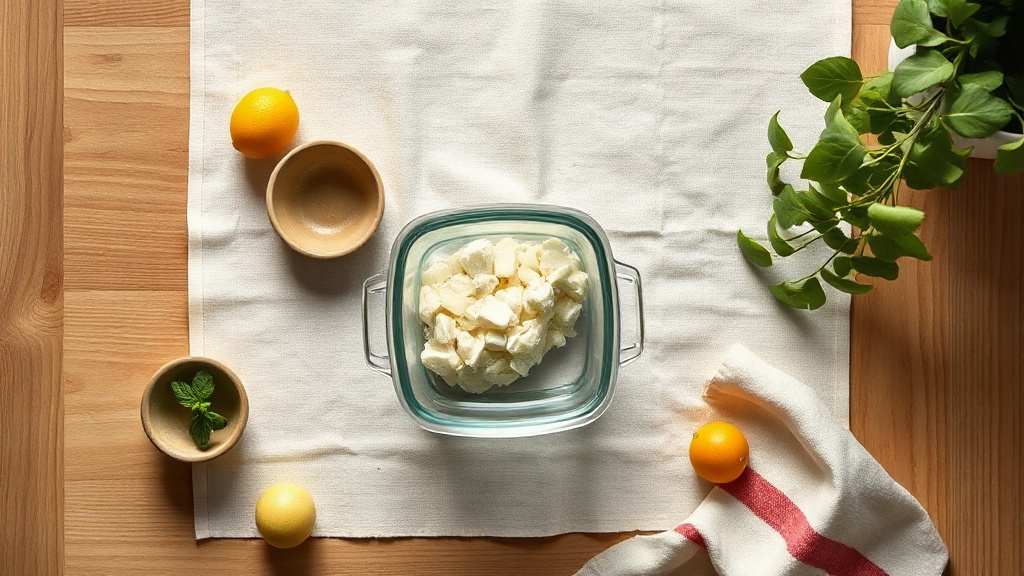
Is it safe to store food in glass containers?
Yes. Borosilicate glass is one of the safest food storage materials available. It doesn't leach chemicals, doesn't absorb odors, and is safe for hot or cold food.
What's actually in it
Borosilicate glass is an inert material made primarily from silicon dioxide and boron trioxide. It doesn't contain BPA, phthalates, PFAS, or any synthetic polymer. It doesn't react with acidic foods, absorb odors, or release any compounds into food over time. Borosilicate glass is specifically designed to withstand temperature changes and is safe for both hot and frozen food storage.
Soda-lime glass (standard glass) is also safe but more prone to thermal shock. For kitchen use, borosilicate glass is preferred for containers used both in the refrigerator and oven.
What the research says
Studies on food contact material safety consistently rank glass as one of the lowest-migration materials for food storage. A 2026 assessment of food contact materials confirmed that borosilicate glass shows no measurable chemical migration into food under any normal storage or cooking conditions, including acidic foods stored for extended periods.
The only consideration with glass is lead content in crystal glass (which contains lead oxide for clarity). Standard borosilicate food storage containers don't use lead. For everyday food storage, glass is the gold standard for both safety and durability.
The research at a glance
| Study | Journal | Year |
|---|---|---|
| Food contact material safety comparative review | Food Chem | 2026 |
What to use instead
Browse our curated non-toxic alternatives. Every product is third-party certified.
Shop Non-Toxic Kitchen