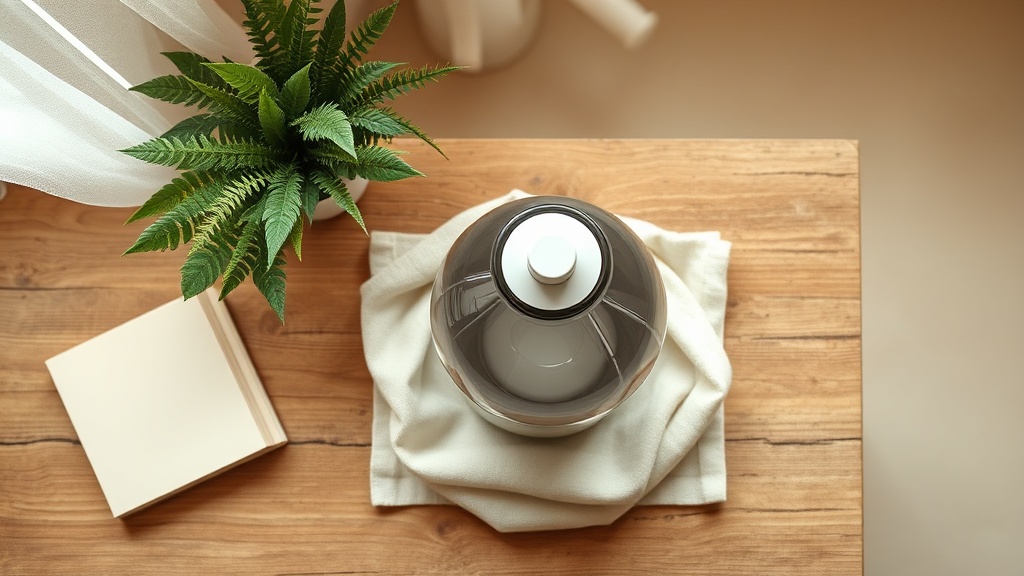
Is it safe to use a humidifier in a baby's room?
Caution is advised. Poor indoor air quality, which can be exacerbated by devices that disperse particles into the air, is linked to significant health risks for children.
What's actually in it
When you run a humidifier, you are adding moisture to the air. If the water or the machine is not perfectly clean, you may be spreading more than just water vapor. Devices that aerosolize water can release particles into the air that your baby breathes all night.
We know from a 2026 study in Environ Res that repeated airway exposure to fine particles, such as microfibers, can cause lung inflammation. This happens because these tiny particles interfere with the body's ability to clean itself, leading to potential damage at the cellular level.
What the research says
The air inside your home is not always cleaner than the air outside. A 2026 study in Environ Res found that maternal exposure to indoor air pollution during pregnancy is linked to an increased risk of autism spectrum disorder in offspring. This peer-reviewed research highlights how sensitive a developing child is to the quality of the air they breathe.
Furthermore, a 2026 study in Environ Res looked at the link between household air pollution and genetic changes associated with lung cancer. The science shows that our indoor environments play a major role in long-term health outcomes. If your humidifier is not maintained or if it is dispersing contaminated water, you are adding to the total pollution load in your baby's room.
The research at a glance
What to use instead
Browse our vetted, non-toxic alternatives. Every product is third-party certified.
Shop Non-Toxic Baby