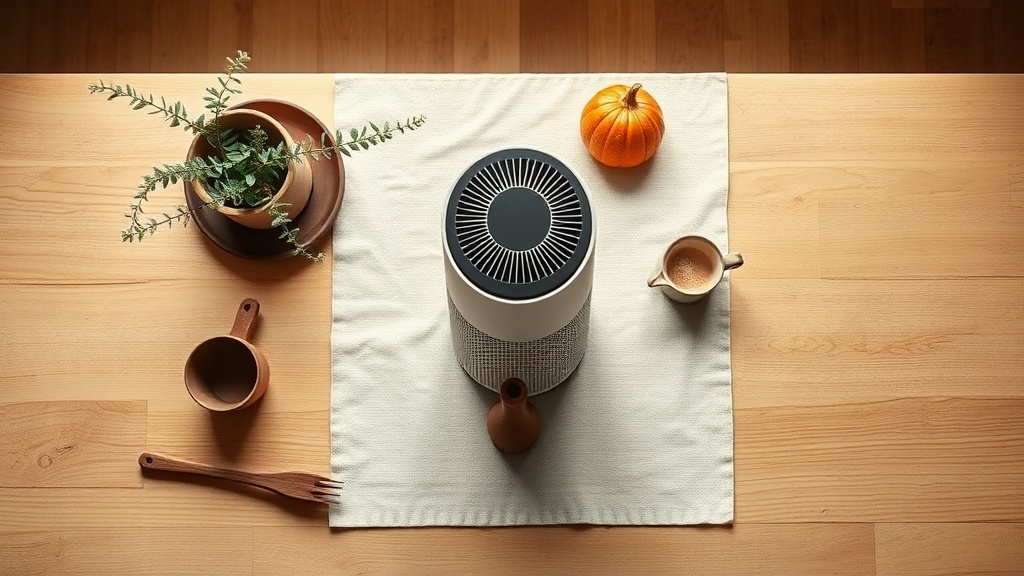
Is it safe to use an air cleaner to reduce indoor microplastic during renovation?
Yes. Air cleaners measurably reduce indoor microplastic pollution.
What's actually in it
Renovations disturb old carpet, vinyl flooring, foam insulation, and paint, sending microplastic particles and chemicals into indoor air. Construction dust carries these particles at levels that can persist for weeks after the work. A well-chosen air cleaner can capture most of the airborne particles before they settle or get breathed in.
This is one of the clear cases where technology helps rather than marketing hype.
What the research says
A 2026 study in Environ Pollut measured the impact of air cleaners on indoor microplastic pollution in a real indoor environment, including the roles of ventilation types and weather conditions. Air cleaners with HEPA filtration significantly reduced airborne microplastic load. Proper placement and sizing mattered.
For renovation periods, HEPA air purifiers with activated carbon in occupied rooms. Run them continuously during the project and for 2-4 weeks after. Cross-ventilation with outside air (when weather permits) combined with filtration pulls dust out faster. Brands with CADR ratings matched to room size (Blueair, Coway, IQAir) are all good options. During the renovation itself, seal off work areas with plastic sheeting to contain the dust.
The research at a glance
| Study | Journal | Year |
|---|---|---|
| Impact of air cleaner on indoor microplastic pollution in a real indoor environment: Roles of ventilation types, weather conditions. | Environ Pollut | 2026 |
What to use instead
Browse our vetted, non-toxic alternatives. Every product is third-party certified.
Shop Non-Toxic Home