Is it safe to use conventional cleaning products during pregnancy if you're having a boy?
No. Fetal EDC exposure is linked to hypospadias and reduced male fecundity.
What's actually in it
Cleaning products (bathroom cleaners, all-purpose sprays, glass cleaners, scented laundry) release QACs, phenols, phthalates, and fragrance chemicals into the air a pregnant person breathes. For a male fetus, specific chemicals hit reproductive development during the masculinization window (roughly weeks 8-14). The effects can include hypospadias, undescended testes, and reduced future fecundity.
Conventional cleaning chemicals do the job but aren't the only way to clean. There are well-documented alternatives.
What the research says
A 2026 pilot study in J Endocr Soc examined intrauterine exposure to endocrine-disrupting chemicals and risk of hypospadias. Higher EDC exposure during the first trimester correlated with higher hypospadias rates. A 2025 cohort study in Andrology linked fetal EDC mixture exposure to biomarkers of reduced male fecundity in adulthood.
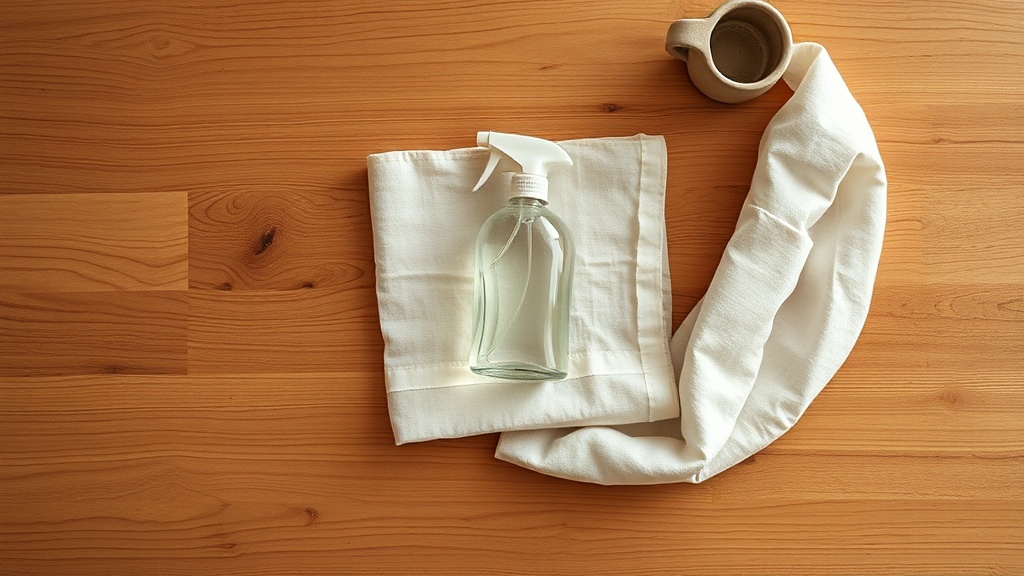
During pregnancy, swap to fragrance-free plant-based cleaners (Branch Basics, Seventh Generation Free & Clear, Dr. Bronner's). For disinfecting when needed, hydrogen peroxide or plain alcohol work. Vinegar and baking soda handle most daily cleaning. Avoid DIY projects requiring heavy paint or solvent use during pregnancy. Ventilate the home regularly.
The research at a glance
| Study | Journal | Year |
|---|---|---|
| Intrauterine Exposure to Endocrine-disrupting Chemicals and Risk of Hypospadias: A Pilot Study. | J Endocr Soc | 2026 |
What to use instead
Browse our vetted, non-toxic alternatives. Every product is third-party certified.
Shop Non-Toxic Baby