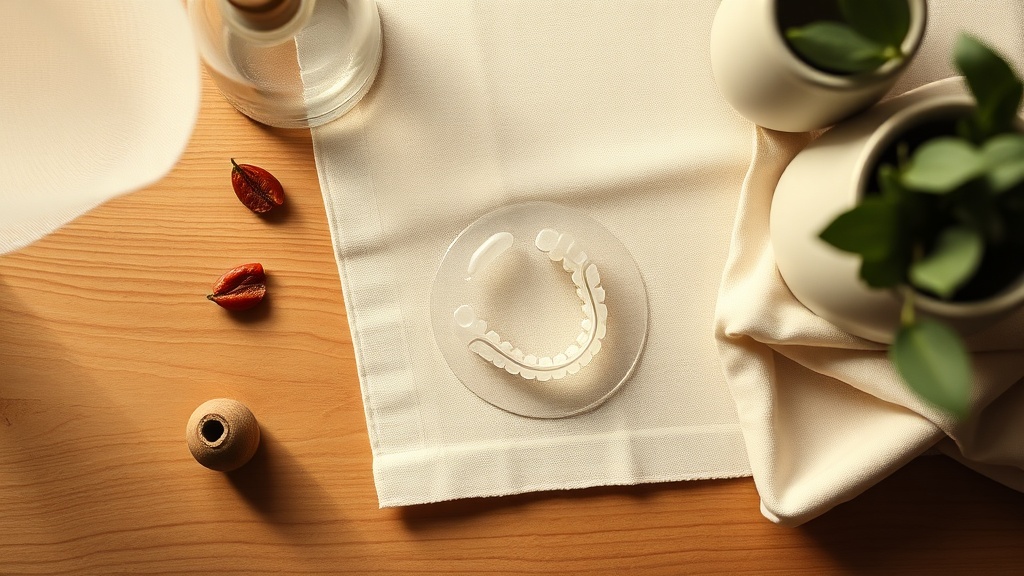
Is it safe to use dental retainers that shed microplastics into the mouth?
Not without consideration. Dental plastics are emerging as neurotoxicants in human data.
What's actually in it
Clear retainers and aligners (Invisalign-style) are thermoplastic polyurethane or similar polymers. The mouth is warm, wet, acidic, and full of chewing force. All of these accelerate material breakdown. Every hour of wear adds a small amount of plastic particles to the saliva, which get swallowed.
Adults wear these devices for 12-22 hours a day during active treatment. Retainers after treatment often mean nightly wear for years.
What the research says
A 2026 systematic review in PeerJ examined dental microplastics as emerging neurotoxicants using human data. The review synthesized evidence that dental plastic exposure correlates with neurological biomarkers and that the microplastic load from dental devices is non-trivial compared to other sources.
For someone mid-treatment, finishing isn't something to rush. For retainers after orthodontic work, hard acrylic retainers (Hawley retainers with metal wire) release less microplastic than clear plastic ones. Replacing aligners or retainers at the first sign of visible wear reduces shedding. Cleaning with a soft brush and non-abrasive cleaner, not toothpaste, keeps the surface smoother longer. Your orthodontist can discuss options.
The research at a glance
| Study | Journal | Year |
|---|---|---|
| Dental microplastics as emerging neurotoxicants: a systematic review on human data. | PeerJ | 2026 |
What to use instead
Browse our vetted, non-toxic alternatives. Every product is third-party certified.
Shop Non-Toxic Home