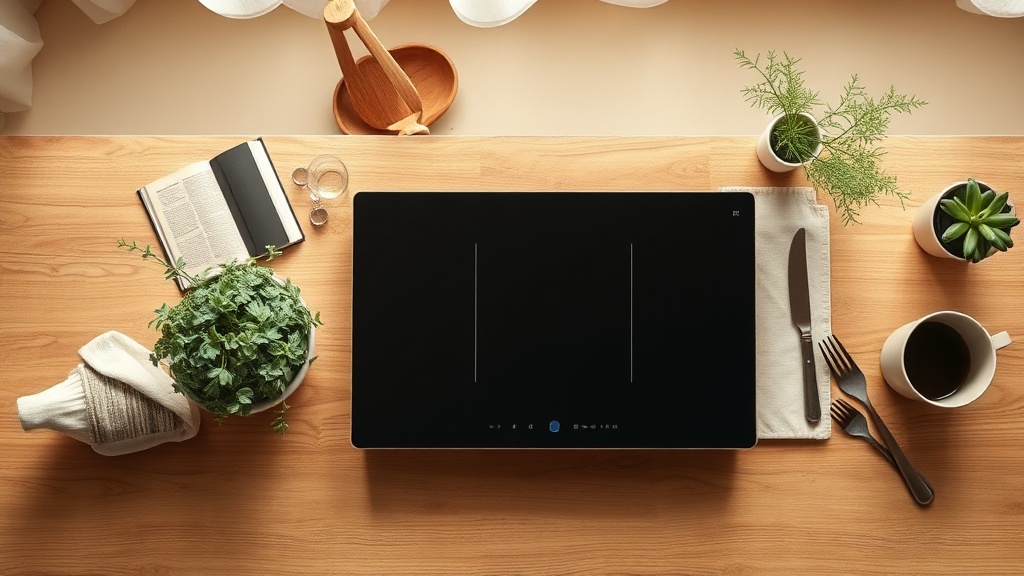
Is it safe to use an induction cooktop vs gas or electric resistance?
Yes. Induction cooktops are the cleanest option for indoor air.
What's actually in it
Cooktops come in three types: gas burners, electric resistance coils, and induction. Gas burners combust natural gas, releasing benzene, NO2, formaldehyde, and carbon monoxide. Electric resistance heats a coil that heats the pan but doesn't combust anything. Induction uses magnetic fields to heat the pan directly. Only the pan and food get hot; the cooktop itself stays cool.
Induction doesn't create combustion byproducts. Cooking emissions still include whatever comes off the food (oil aerosol, moisture), but the combustion chemistry is absent.
What the research says
A 2026 study in ACS EST Air quantified VOCs, NOx, and ultrafine particles from domestic cooking appliances. Gas cooktops emitted the most across categories. Induction emitted the least. Electric resistance was in between (moderate radiant heat can still produce emissions from the food side).
For a kitchen upgrade during renovation, induction is the cleanest choice. They also cook faster and offer better temperature control. Plug-in portable induction units are $60-150 and let renters test the technology without an installation. Combined with a good vented range hood, an induction cooktop provides the best indoor air quality during cooking. Existing gas cooktops can still be used well with the hood on every time, but a swap is a genuine improvement.
The research at a glance
What to use instead
Browse our vetted, non-toxic alternatives. Every product is third-party certified.
Shop Non-Toxic Kitchen