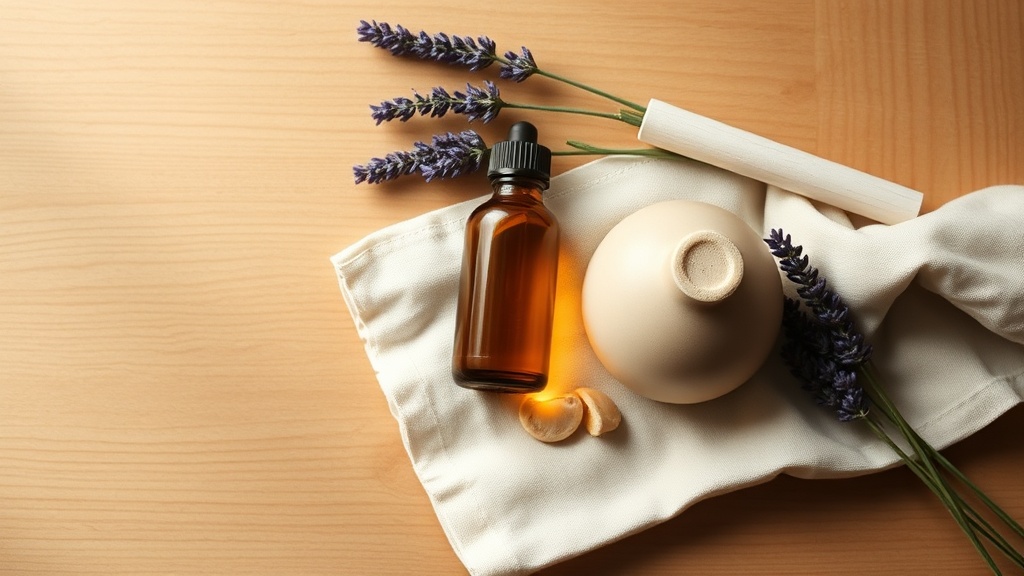
Is it safe to use old lavender oil in homemade skincare?
No. Lavender oil oxidizes into a known skin allergen once the bottle is opened for a while.
What's actually in it
Lavender essential oil is mostly linalool and linalyl acetate. Fresh out of the bottle, it's a pretty clean ingredient. Once it meets air, light, and time, linalool slowly oxidizes into linalool hydroperoxides. You can't see or smell the change. The oil still smells like lavender, but the chemistry has shifted.
Linalool hydroperoxides are on the European Union's list of important contact allergens. They can trigger a delayed skin reaction: redness, itching, and a rash that shows up hours to days after use. Homemade skincare (face oils, lotion bars, sugar scrubs) often uses lavender because it smells nice, which means the same bottle gets used for months.
What the research says
A 2026 study in Contact Dermatitis tested repeated exposure to linalool hydroperoxides and confirmed immunologically verified allergic contact dermatitis. Repeat exposure made the reaction worse, meaning people can sensitize over time and then react to products they used to tolerate fine.
If you make your own skincare, buy small bottles of essential oils and replace them every 6 to 12 months. Store them in a dark cupboard with the caps tight. For products that sit on the skin for hours (face creams, body oil), skip fragrance oils entirely or use a very small amount of fresh oil. If a new rash shows up and the timing matches a new lotion, lavender (or citrus, or tea tree) is a likely suspect.
The research at a glance
| Study | Journal | Year |
|---|---|---|
| Repeated Exposure to Hydroperoxides of Linalool Induces Immunologically Verified Allergic Contact Dermatitis. | Contact Dermatitis | 2026 |
What to use instead
Browse our vetted, non-toxic alternatives. Every product is third-party certified.
Shop Non-Toxic Home