Is it safe to use older Teflon pans from before 2013?
Avoid. Pre-2013 nonstick pans may contain PFOA in the manufacturing process. PFOA is a probable human carcinogen. Replace any nonstick pans more than 10 years old.
What's actually in it
PTFE (Teflon) nonstick coatings are made using PFAS chemistry. Before 2013, the manufacturing process commonly used PFOA (perfluorooctanoic acid) as a processing aid. PFOA doesn't remain in the finished coating in large amounts, but trace residuals are present. PFOA is a probable human carcinogen (IARC Group 2A) and is linked to kidney cancer, testicular cancer, and developmental effects.
After 2013, DuPont and 3M completed voluntary phase-outs of PFOA in nonstick manufacturing under EPA pressure. Post-2013 nonstick pans still contain PTFE (still a PFAS-based polymer) but with lower PFOA residuals. Any pan manufactured before 2013 carries both the PFOA residual risk and the normal PTFE coating degradation risk from age.
What the research says
A 2026 study in Biomol Biomed linked higher serum PFOA and related PFAS compounds to increased non-melanoma skin cancer risk. Researchers identified cooking-related PFAS exposure as a meaningful contributor to total PFAS body burden alongside water and food packaging sources.
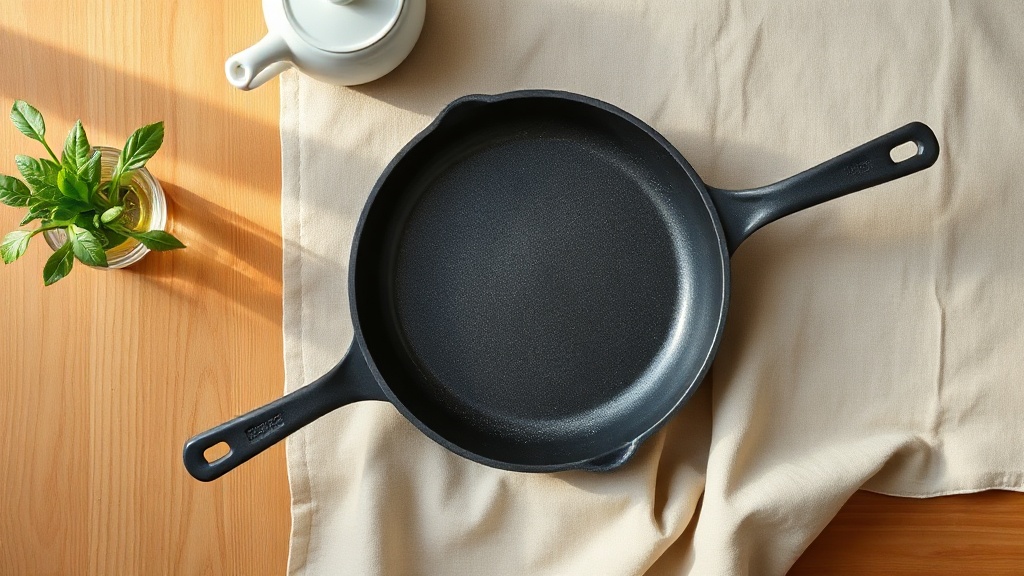
The practical advice: if your nonstick pan is more than 10 years old or manufactured before 2013, replace it regardless of condition. Switch to stainless steel, cast iron, or ceramic-coated alternatives to eliminate nonstick PFAS exposure entirely.
The research at a glance
| Study | Journal | Year |
|---|---|---|
| PFAS serum levels and skin cancer risk | Biomol Biomed | 2026 |
What to use instead
Browse our curated non-toxic alternatives. Every product is third-party certified.
Shop Non-Toxic Kitchen