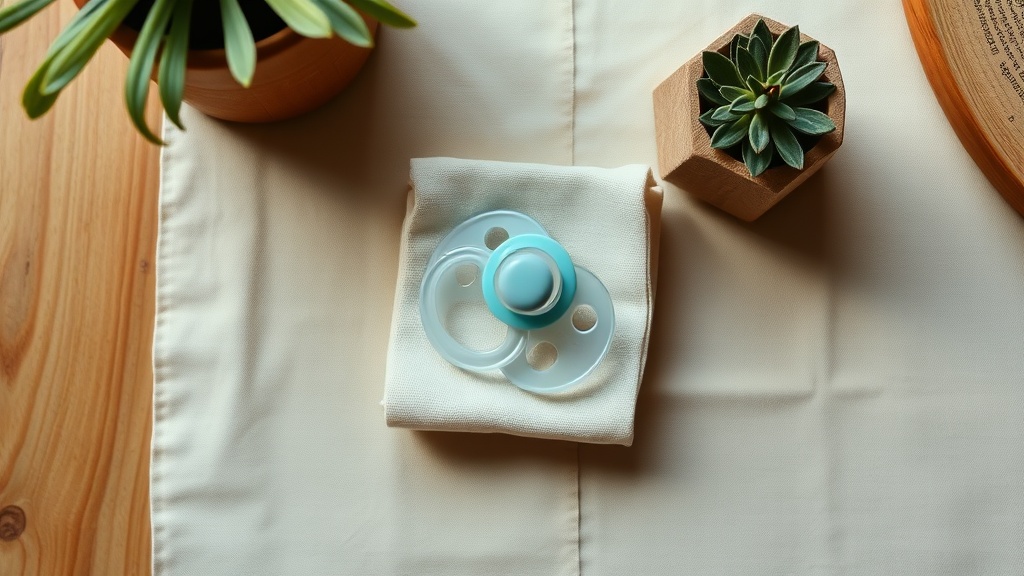
Is it safe to use pacifiers from random online sellers?
No. Imported pacifiers show significant BPA migration.
What's actually in it
Pacifiers are regulated in the US and EU for BPA content, but imported pacifiers from unregulated online sellers often don't meet these standards. The nipple is usually silicone or latex rubber, but the base plate and decorations can contain polycarbonate with BPA or BPA substitutes. Babies suck pacifiers for hours daily, giving plenty of time for chemical migration.
Pacifier migration testing in simulated oral conditions keeps finding problems.
What the research says
A 2026 study in Environ Sci Pollut Res Int did HPLC-FLD analysis of BPA migration from commercially available pacifiers and exposure assessment in infants and toddlers. Multiple pacifier products had detectable BPA migration. Regular use translated to meaningful infant exposure.
For pacifiers, stick to US or EU brands sold through regulated channels: Dr. Brown's, Philips Avent, MAM, Bibs. Look for all-silicone (nipple and shield) one-piece designs (MAM Original, Bibs Boheme). These skip the multi-material construction that introduces BPA. Replace pacifiers every 4-8 weeks or at the first sign of wear. Skip any imported pacifier without clear manufacturer and regulatory info.
The research at a glance
| Study | Journal | Year |
|---|---|---|
| Migration of bisphenol A from commercially available pacifiers: HPLC-FLD analysis and exposure assessment in infants and toddlers. | Environ Sci Pollut Res Int | 2026 |
What to use instead
Browse our vetted, non-toxic alternatives. Every product is third-party certified.
Shop Non-Toxic Baby