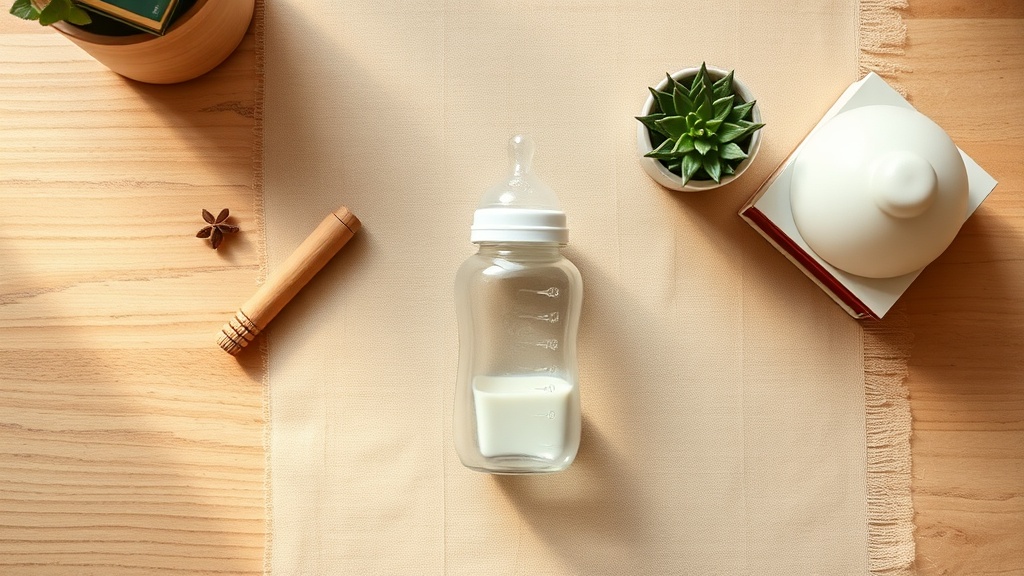
Is it safe to use plastic baby bottles for milk?
Glass or silicone is the better daily bottle choice. Research has found BPA leaching from some plastic baby bottles.
What is in it
Plastic baby bottles can put milk in contact with BPA or related plastic chemicals. Heat, washing, and repeat use can make plastic contact more important over time.
The old version of this page focused on one country. That was not supported by the source. The better question is simpler: what material touches warm milk every day?
What the research says
A 2025 Food Chemistry: X study measured BPA in packaged milk and baby bottles. BPA was detected in 12 milk samples, and 4 of 6 baby bottle brands tested showed BPA leaching.
This does not mean every plastic bottle is unsafe. It does mean glass and silicone are better daily choices when families can use them.
What to do
Use glass baby bottles at home when possible. Use silicone sleeves if breakage is a worry. If you use plastic bottles, avoid heating milk in the bottle. Replace cloudy, scratched, or old bottles.
For travel, pick the best option you have and do not shame yourself. The big win is reducing daily hot milk contact with worn plastic.
The research at a glance
| Study | Journal | Year |
|---|---|---|
| Extraction, quantification and health risk assessment of bisphenol A from various kinds of packaged milk and baby bottles. | Food Chem X | 2025 |