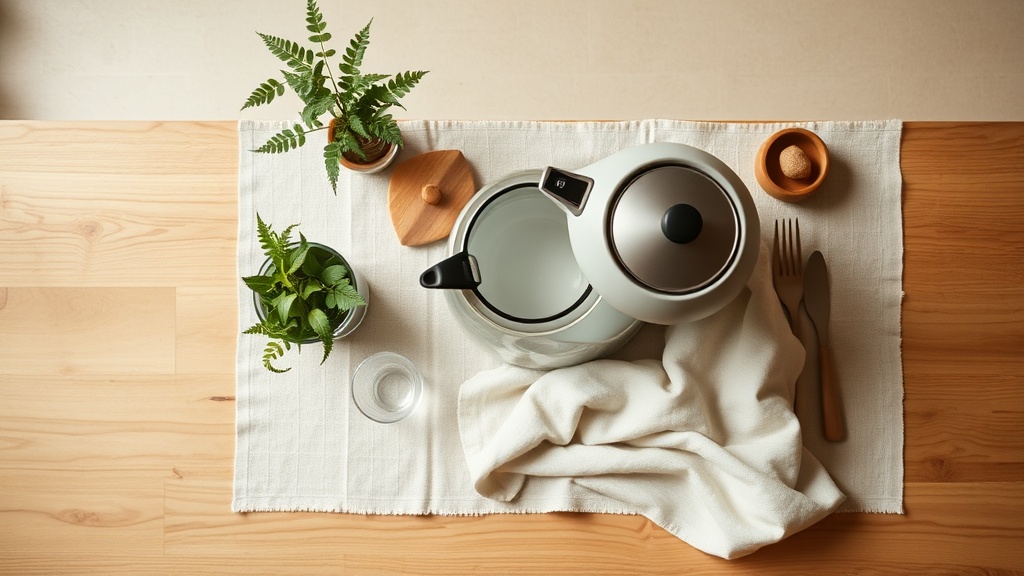
Is it safe to use plastic kettles for boiling water?
No. Boiling water in plastic causes chemicals to leach into your drink, and research shows these materials can cause metabolic and digestive issues.
What's actually in it
Plastic kettles are made from materials like polyethylene terephthalate (PET) and polystyrene. When you heat these plastics, they don't just sit there. They release a cocktail of harmful substances into your water.
This includes phthalates (chemicals used to make plastic soft and flexible), bisphenols (which disrupt your hormones), and perfluorinated compounds. These chemicals are known to migrate out of the plastic and directly into the liquids you consume, especially when heat is involved.
What the research says
The science is clear that heat increases the risk of chemical migration. A 2026 study in J Food Sci Technol looked at how phthalate compounds move from plastic bottles into liquids under different temperature conditions. The findings confirm that higher temperatures significantly increase the amount of these chemicals that end up in your food and water.
Once these chemicals are in your body, they can cause real damage. A 2026 study in Drug Chem Toxicol found that even a single exposure to polyethylene terephthalate microplastics leads to metabolic and gastrointestinal disruption. This is peer-reviewed research showing that the plastic particles you ingest from your kettle are not harmless.
Furthermore, a 2026 study in J Environ Sci Health B confirmed the presence of phthalates, bisphenols, and perfluorinated compounds in common plastic beverage containers. When you boil water in a plastic kettle, you are essentially creating a hot bath for these chemicals to leach into your tea or coffee.
The research at a glance
What to use instead
Browse our vetted, non-toxic alternatives. Every product is third-party certified.
Shop Non-Toxic Kitchen