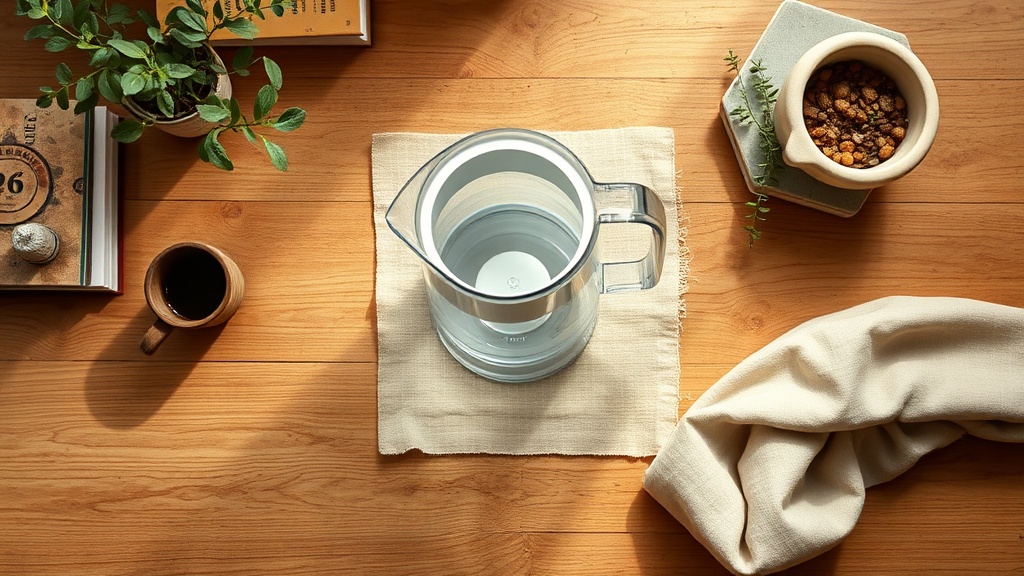
Is it safe to use plastic pitcher water filters?
The filter can help. The plastic pitcher is the weak point for daily storage.
What to know
Plastic pitcher water filters are a halfway fix. The filter can improve tap water, but the reservoir and pitcher are still plastic. That matters most when water sits in the fridge all day.
This does not mean you need to throw the pitcher away today. Use the filter as directed, replace cartridges on time, and do not keep cracked, cloudy, or scratched plastic parts.
When you upgrade, separate filtering from storage. Filter the water, then pour it into a clean glass jar or carafe.
What the research says
A 2025 NPJ Clean Water study found that drinking water treatment steps can reduce microplastics across treatment and distribution systems.
A 2025 Environ Monit Assess study found microplastics in common drinking water bottles and milk packaging.
Those papers do not test every pitcher filter. They do support a clear habit: filtering is useful, and glass storage is the cleaner finish.
The research at a glance
| Study | Journal | Year |
|---|---|---|
| Microplastic removal across ten drinking water treatment facilities and distribution systems. | NPJ Clean Water | 2025 |
| Identification and occurrence of microplastics in drinking water bottles and milk packaging consumed by humans daily. | Environ Monit Assess | 2025 |