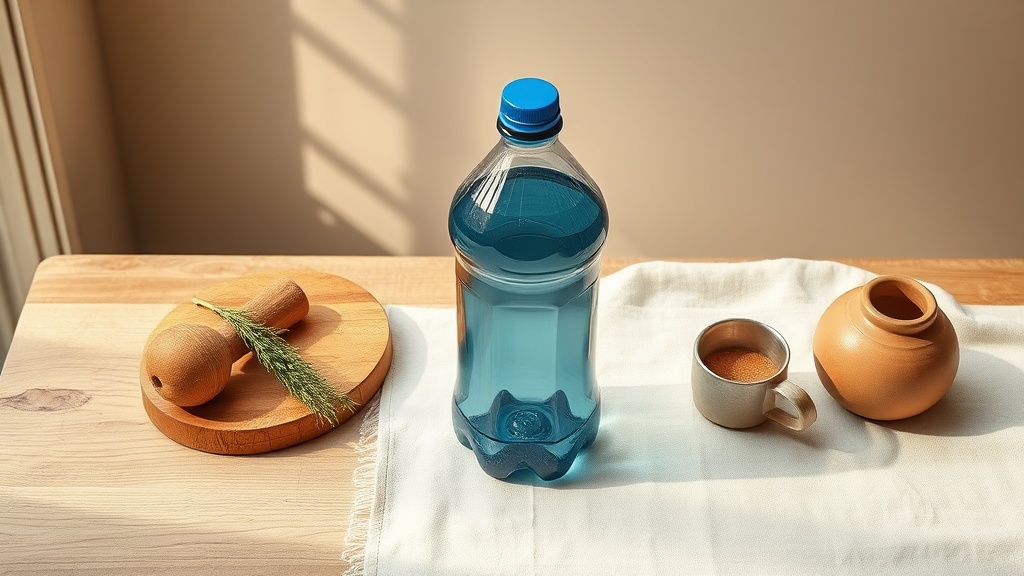
Is it safe to use plastic water bottles stored outside under the sun?
Avoid storing PET water bottles in heat or sun. Heat and handling increase nano- and microplastic release.
What is in it
Most single-use water bottles are made from PET plastic. Heat, shaking, and long storage can wear down the bottle surface. Tiny pieces of plastic can then move into the water.
Do not panic if a case of water sat in a warm car once. The safer habit is to store bottled water indoors, cool, and out of sunlight. Rotate emergency water instead of leaving it outside for months. For daily drinking, use filtered tap water in a glass or stainless steel refillable bottle when that is an option.
What the research says
A 2026 Water Research study tested eight U.S. PET bottled water brands under heat, shaking, and 15-day temperature cycling. The highest release happened when heat and shaking were combined. Nanoplastic levels rose 9.29-fold, and microplastic levels also increased.
The study identified particles from PET bottle bodies and from bottle caps. It also found that people with less awareness of microplastics were more likely to store bottled water in heat. The practical step is easy: keep cases inside and switch to reusable bottles for routine use.