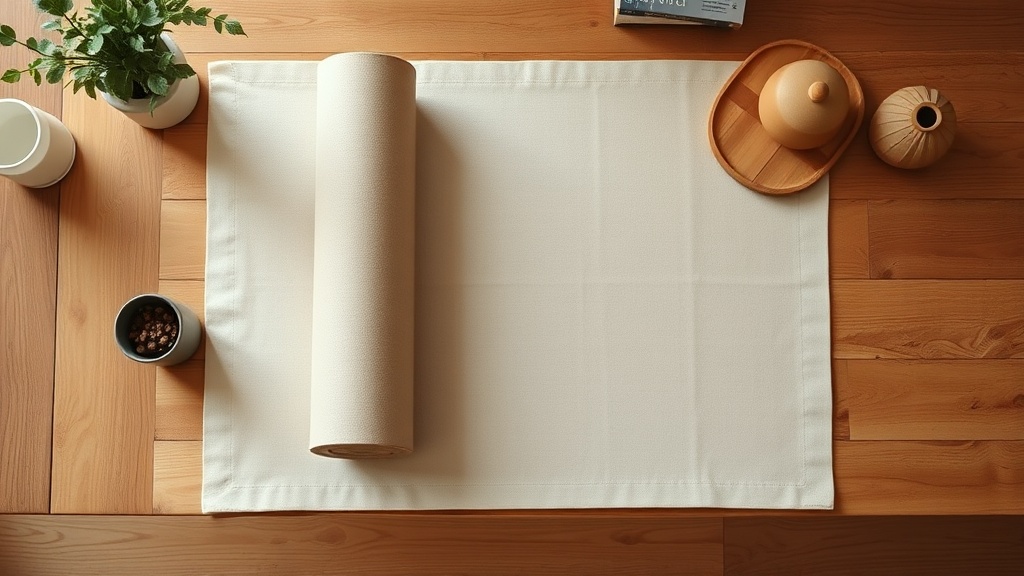
Is it safe to use a PVC yoga mat while pregnant with a boy?
Not ideal. DEHP off-gasses from PVC mats and affects male fetal development.
What's actually in it
A standard drugstore yoga mat is PVC: polyvinyl chloride softened with DEHP or similar phthalates. The mat is soft because of the phthalate, not in spite of it. DEHP makes up 20 to 40% of the mat by weight and it keeps migrating out for the whole life of the mat. That new-plastic smell is literally DEHP evaporating.
Breathing is the main exposure route during practice. You're face-down on the mat, breathing deeply, for an hour. Warm yoga multiplies the off-gassing. Skin contact across knees, elbows, and hands adds a second route.
What the research says
A 2026 study in Ecotoxicol Environ Saf exposed pregnant mice to DEHP at doses comparable to human environmental levels. Male offspring showed impaired testicular development. The mechanism involved the macrophage-Leydig cell axis: the immune cells in the testes cross-talk with the hormone-producing cells, and DEHP scrambled that conversation. Leydig cells make testosterone, which shapes male reproductive development in utero.
A natural rubber or cork yoga mat skips PVC entirely. Natural rubber may have a strong smell at first, but it's plant resin rather than phthalate, and it airs out in days. Cork is solid, durable, and grippy when wet. If you already own a PVC mat mid-pregnancy, practice outdoors or in a well-ventilated room and wipe it down each session to reduce the dust exposure.
The research at a glance
| Study | Journal | Year |
|---|---|---|
| Impaired testicular development in male offspring following gestational DEHP exposure: The role of macrophage-Leydig cell axis. | Ecotoxicol Environ Saf | 2026 |
What to use instead
Browse our vetted, non-toxic alternatives. Every product is third-party certified.
Shop Non-Toxic Home