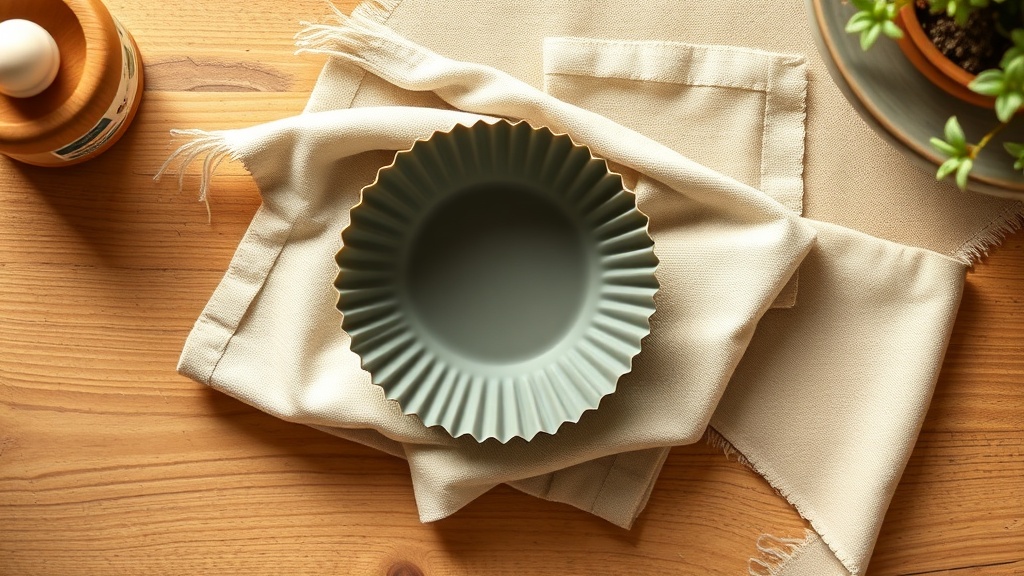
Is it safe to use silicone muffin liners for everyday baking?
Occasionally yes, daily no. Silicone releases siloxanes each time you bake, and it adds up.
What's actually in it
Reusable silicone muffin cups are polydimethylsiloxane, the same material as silicone bakeware. During manufacturing, small ring-shaped molecules called cyclic siloxanes (D4, D5, D6) get trapped in the rubber and come out during baking.
For occasional use, the total dose is small. For daily baking, it stacks with all the other siloxane sources in personal care and home products.
What the research says
A 2025 study in J Hazard Mater measured D4, D5, and D6 coming off silicone bakeware during normal oven use. All three showed up in both the food and the kitchen air. New silicone leaked the most.
For everyday muffins and cupcakes, paper cupcake liners (unbleached) inside a metal muffin tin are the cleanest option. Save silicone cups for occasional baking or for recipes where parchment doesn't work well.
The research at a glance
| Study | Journal | Year |
|---|---|---|
| Silicone bakeware as a source of human exposure to cyclic siloxanes. | J Hazard Mater | 2025 |
What to use instead
Browse our vetted, non-toxic alternatives. Every product is third-party certified.
Shop Non-Toxic Kitchen