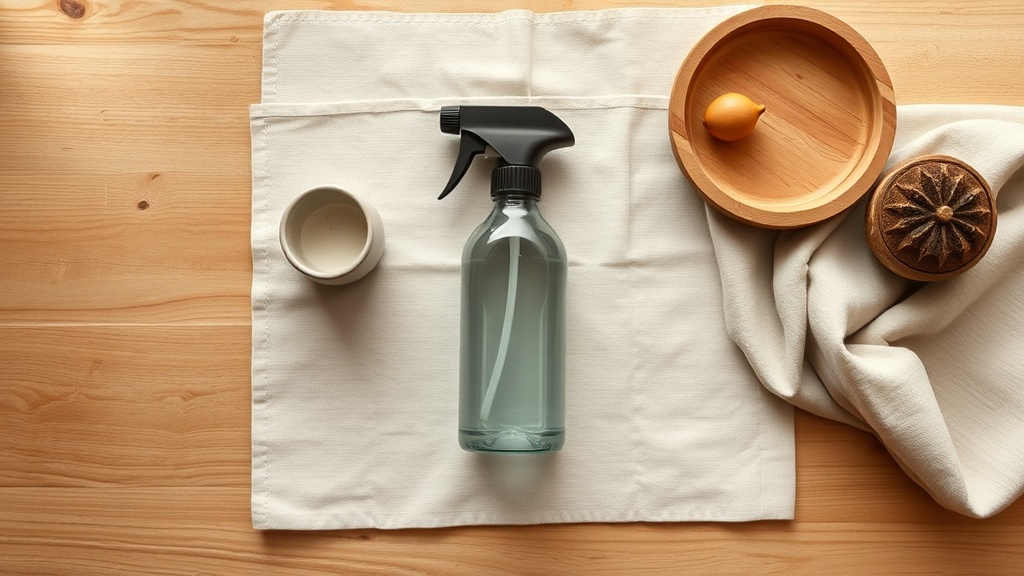
Is it safe to use spray cleaners that mist into the air?
Use caution. Frequent use of spray and other strong cleaners is linked with worse breathing health.
Short answer
Use caution, especially if someone at home has asthma, COPD, allergies, or a chronic cough. A quick spray now and then is different from heavy daily use. The main issue is the mist. It can carry cleaner into the air you breathe.
What is actually in it
A spray bottle breaks liquid into small drops. Those drops can hang in the air and reach your nose, throat, and lungs. Many spray cleaners contain surfactants, solvents, fragrance, quaternary ammonium compounds, bleach, or acids. The exact mix depends on the product.
The bottle shape matters too. Spraying a cleaner into the air can create more breathing exposure than putting liquid on a cloth first.
What the research says
A 2026 study in Environ Sci Pollut Res Int looked at cleaning products and breathing health in 318 adults. People who heavily used several kinds of cleaning products, especially bleach, sprays, polish, solvents, and acids, had more current asthma and lower lung function than people with minimal use.
This study shows an association. It does not prove that one spray causes asthma by itself. It does support a careful rule: use less mist, use better airflow, and avoid strong cleaners when a milder option works.
What to do at home
Spray onto a cloth instead of into the room. Use the stream setting if the nozzle has one. Open a window or run a fan. Keep kids out of the area until surfaces are dry. Never mix cleaners, especially bleach with ammonia or acids. For everyday messes, start with soap, water, and a washable cloth.
If you use a disinfectant, save it for times when it is needed, such as raw meat cleanup, bathroom germs, or illness in the house. Follow the label, then ventilate the room.
The research at a glance
| Study | Journal | Year |
|---|---|---|
| Cleaning products and classes associated with poor respiratory health. | Environ Sci Pollut Res Int | 2026 |
What to use instead
Shop home disinfectant options, and use ventilation with any spray.
Shop Non-Toxic Home