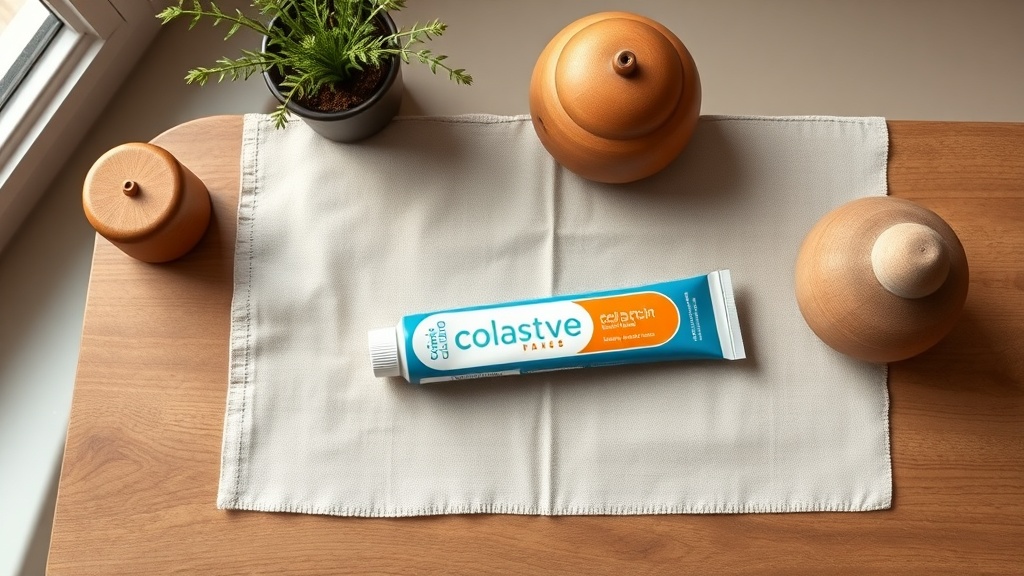
Is it safe to use titanium dioxide-containing toothpaste long term?
Not ideal. Titanium dioxide accumulates in organs after chronic oral exposure.
What's actually in it
Titanium dioxide (E171, CI 77891) is added to toothpaste as a whitening pigment. It's also in candy, gum, and some supplements. The EU banned it as a food additive in 2022 after EFSA concluded it couldn't be considered safe at dietary intake levels. The US still allows it in food and personal care. Toothpaste is the single biggest daily TiO2 exposure for many people: brush twice a day, some gets swallowed.
Nanoparticle TiO2 is the especially concerning fraction. It crosses biological barriers more easily than larger particles.
What the research says
A 2026 study in Part Fibre Toxicol measured organ and tissue accumulation of titanium dioxide after chronic oral exposure in mice and rats. TiO2 accumulated in the liver, spleen, kidneys, and intestine at levels that increased with duration of exposure. The effect was dose-dependent, and daily-use products were the biggest contributor in modeled human scenarios.
Switching toothpaste is an easy win. Check for "titanium dioxide" or "CI 77891" on the ingredient list and pick brands without it. Most natural toothpaste brands (Tom's of Maine, Dr. Bronner's, Boka, David's) skip TiO2. For food, avoiding TiO2 means reading labels on candies, gum, and baked goods. White frosting, marshmallows, and bright white cake decorations are common hiding spots.
The research at a glance
| Study | Journal | Year |
|---|---|---|
| Organ and tissue accumulation of titanium dioxide after acute, subacute, subchronic, and chronic oral exposure in mice and rats. | Part Fibre Toxicol | 2026 |
What to use instead
Browse our vetted, non-toxic alternatives. Every product is third-party certified.
Shop Non-Toxic Home