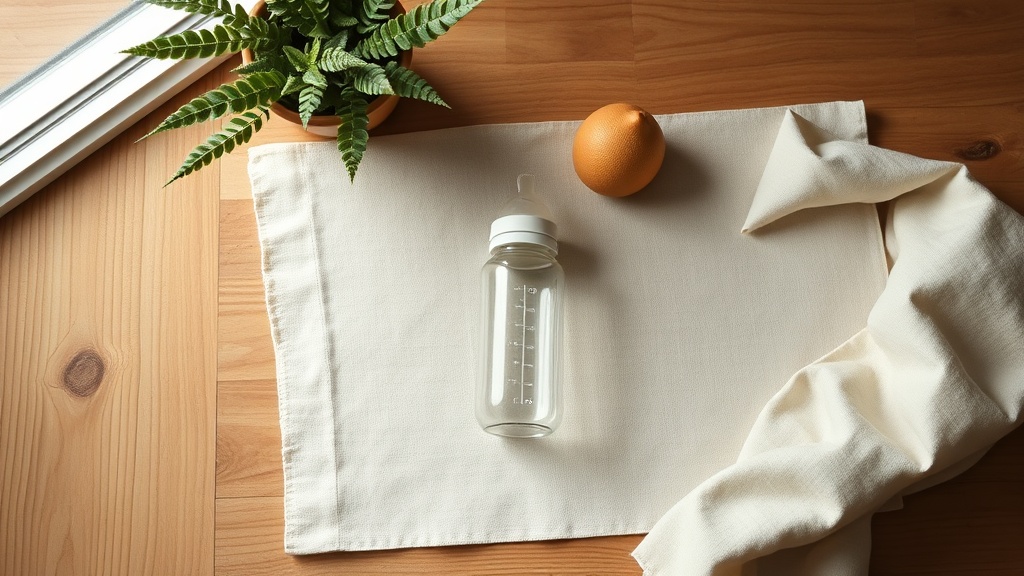
Is it safe to wash baby bottles in the dishwasher every day?
Not if they're plastic. Heat and detergent speed up plastic breakdown and leaching.
What's actually in it
Polypropylene baby bottles soften with heat. Dishwasher cycles combine hot water, strong detergent, and physical motion. Over many washes, the inner surface of the bottle develops microscopic cracks, and microplastics break off faster during subsequent feeds.
The same applies to plastic sippy cup valves, lids, and pacifier covers.
What the research says
A 2025 study in Food Chem X tested baby bottles and found detectable BPA in most samples, with older and repeatedly heated bottles leaching more. A 2025 study in J Agric Food Chem documented massive nanoplastic release from polypropylene under heat.
If you use plastic bottles, hand wash with a soft bottle brush and warm (not hot) water. Replace bottles every 4 to 6 months or at the first sign of cloudiness or cracks. Glass bottles are dishwasher-safe without the plastic-breakdown problem.
The research at a glance
| Study | Journal | Year |
|---|---|---|
| Extraction, quantification and health risk assessment of BPA from packaged milk and baby bottles. | Food Chem X | 2025 |
| Release of Nanoplastics from Polypropylene Food Containers into Hot and Cold Water. | J Agric Food Chem | 2025 |
What to use instead
Browse our vetted, non-toxic alternatives. Every product is third-party certified.
Shop Non-Toxic Baby