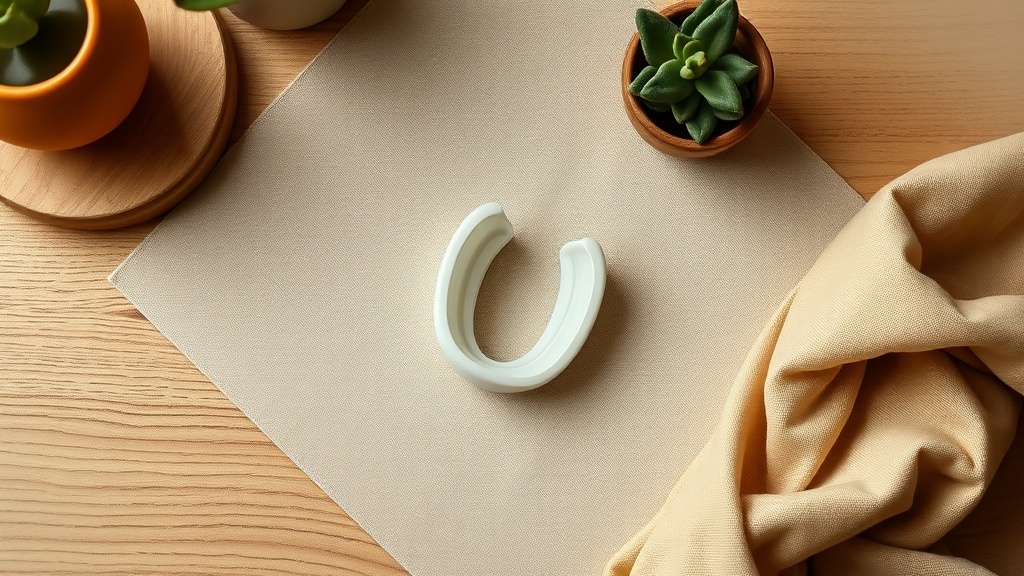
Is it safe to wear a dental night guard every night?
Better than grinding your teeth, but the plastic sheds microplastic into the mouth.
What's actually in it
A typical night guard, clear aligner, or mandibular advancement device is made from thermoplastic polyurethane, EVA, or PETG. The mouth is a hostile environment for plastic: warm, wet, acidic, and full of chewing force. Every night shreds a small amount of material off the surface. That material gets swallowed along with saliva, going into the gut.
Over years of nightly wear, the plastic load adds up. And nighttime is a long exposure window: 6 to 9 hours of continuous contact.
What the research says
A 2026 review in Quintessence Int looked at oral splints, clear aligners, and mandibular advancement devices as hidden sources of micro- and nanoplastic exposure. The review found measurable particle release from all three categories, with older and more-worn devices shedding more. Hard night guards shed less than soft ones; custom-fit held up better than boil-and-bite.
If grinding is a real problem, a custom hard-acrylic night guard from a dentist is the longest-lasting and sheds the least. Replace any night guard at the first sign of visible wear. Clean it daily with soap and a soft brush, avoiding abrasive toothpaste that speeds surface breakdown. For mild grinding, addressing the cause (stress, caffeine after dinner, sleep apnea) can reduce the need for the device in the first place.
The research at a glance
| Study | Journal | Year |
|---|---|---|
| Oral splints, clear aligners, mandibular advancement devices: hidden sources of micro- and nanoplastic exposure? | Quintessence Int | 2026 |
What to use instead
Browse our vetted, non-toxic alternatives. Every product is third-party certified.
Shop Non-Toxic Home