Is it safe to wear plastic jewelry or watches in contact with skin all day?
Not ideal. Cheap plastic jewelry is a known source of cadmium, lead, and phthalates.
What's actually in it
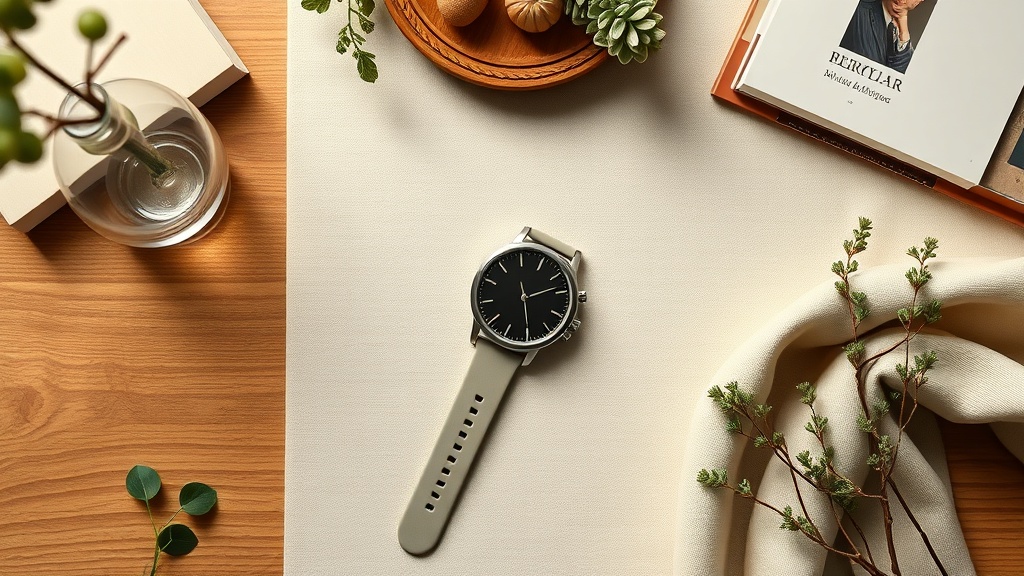
Inexpensive jewelry, fitness tracker bands, and watch straps are usually PVC or TPU. PVC in these products can contain cadmium and lead as stabilizers, plus phthalates as softeners. A watch or fitness tracker sits pressed against the wrist all day, with sweat pulling chemicals out through skin contact.
Kids' jewelry is the riskiest category. CPSC recalls for cadmium in kids' jewelry happen most years, and imported pieces often don't meet US limits in the first place.
What the research says
A 2026 review in J Appl Toxicol on prolonged low-dose exposure to lead and cadmium laid out how chronic daily exposure through these kinds of small sources drives measurable health effects. Jewelry and accessories sit in this exact category: small individual exposures, constant contact, long duration.
A stainless steel, titanium, or silicone watch band (from reputable manufacturers who publish material specs) avoids the heavy metal concern. For jewelry, solid metal (sterling silver, 14k gold, stainless steel) is both a cleaner material and a longer-lasting one. Cheap fashion jewelry is fine for occasional wear if it's not next to skin for hours (a brooch, an earring cuff). A kid's fashion jewelry should be either taken off at bedtime or replaced with pieces tested to comply with CPSIA limits.
The research at a glance
What to use instead
Browse our vetted, non-toxic alternatives. Every product is third-party certified.
Shop Non-Toxic Clothes