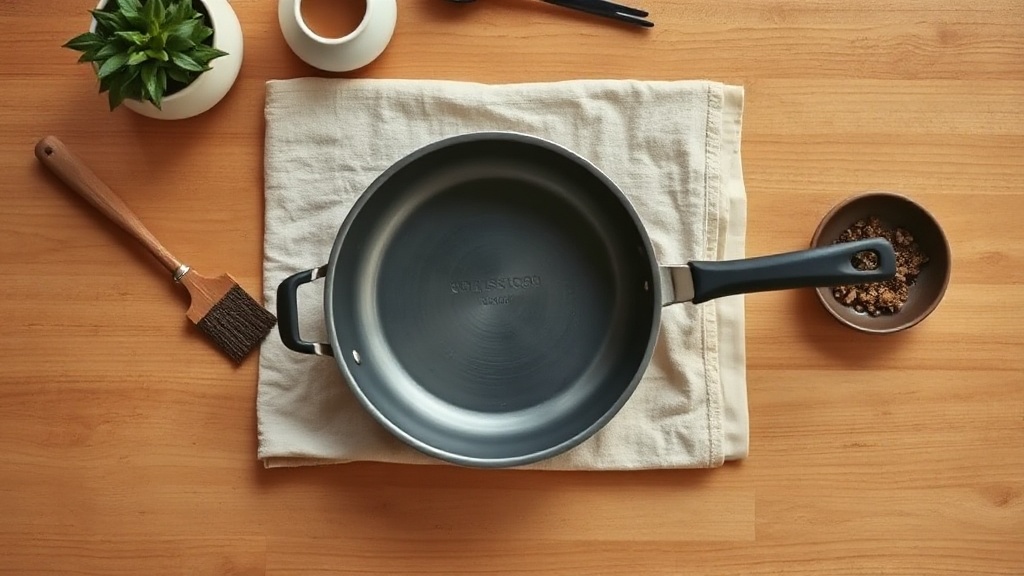
Is non-stick cookware safe during pregnancy?
Avoid. PFAS from nonstick coatings accumulate in the blood of pregnant women and cross the placenta. Research links prenatal PFAS to fetal development problems.
What's actually in it
Nonstick pans release PFAS (per- and polyfluoroalkyl substances) into food during cooking. These chemicals accumulate in human blood and don't break down. For pregnant women, the concern is that PFAS cross the placenta with high efficiency, reaching the developing fetus during critical windows of brain and organ development.
The fetus is more vulnerable than the mother because developing organs and neural tissue are sensitive to hormonal disruption, and PFAS interfere with thyroid hormones required for normal fetal development.
What the research says
A 2026 study in PLoS Med found that prenatal PFAS exposure raises the risk of health problems in children. A second 2026 study in Environ Res measured PFAS in placental tissue and found that PFAS altered gene expression patterns in both the placenta and cord blood, with effects on pathways governing fetal metabolism and immune development.
Researchers consistently identify nonstick cookware as one of the primary dietary PFAS sources. Switching to stainless steel or cast iron before and during pregnancy is one of the most impactful dietary changes for reducing prenatal PFAS exposure.
The research at a glance
| Study | Journal | Year |
|---|---|---|
| Prenatal PFAS exposure and child health outcomes | PLoS Med | 2026 |
What to use instead
Browse our curated non-toxic alternatives. Every product is third-party certified.
Shop Non-Toxic Kitchen