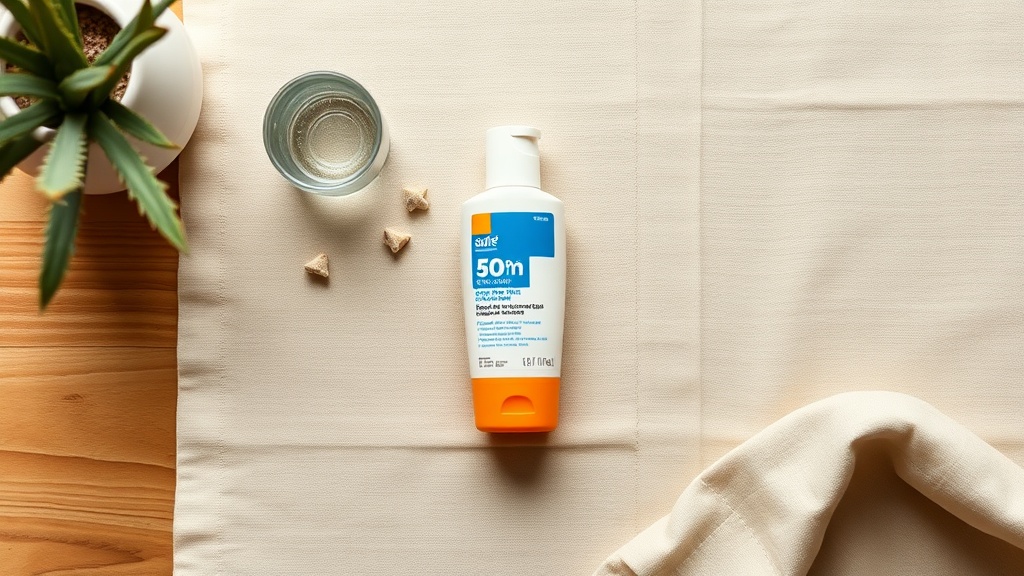
Is oxybenzone sunscreen a problem for children?
Yes. Oxybenzone absorbs through skin into blood and acts as a weak hormone disruptor.
What's actually in it
Oxybenzone (benzophenone-3) is a chemical UV filter in many sunscreens, lip balms with SPF, and cosmetics. It absorbs through skin at measurable rates and reaches blood. The American Academy of Dermatology considers it safe, but the FDA has asked for more data on its systemic absorption.
Kids have thinner skin and a bigger skin-surface-to-body-weight ratio than adults, which means more oxybenzone per pound from the same application.
What the research says
A 2025 screening study in Environ Sci Technol found oxybenzone across many personal care products, making total daily exposure high for frequent users. Oxybenzone binds estrogen and androgen receptors in cell studies.
Use mineral sunscreen (zinc oxide) for kids. Skip lip balms with SPF that use chemical filters. For broad daily protection, long sleeves and hats add a lot to sunscreen effectiveness.
The research at a glance
| Study | Journal | Year |
|---|---|---|
| Chemical signatures for categories of household consumer products. | Environ Sci Technol | 2025 |
What to use instead
Browse our vetted, non-toxic alternatives. Every product is third-party certified.
Shop Non-Toxic Baby