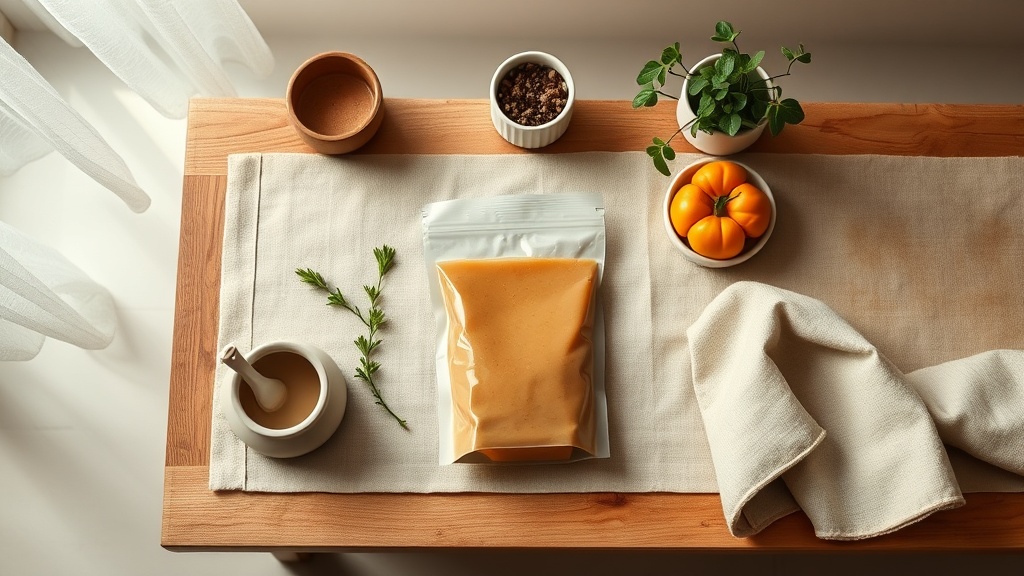
Are liquid foods in plastic packaging a microplastic concern?
Use caution. A 2026 review found liquid foods are an underrecognized microplastic and nanoplastic exposure pathway, with food-contact materials as a primary source.
What's actually in it
Soups, sauces, beverages, milk, and other liquid foods can sit against plastic packaging for weeks or months. Plastic contact, shelf time, heat, and movement can all affect microplastic and nanoplastic migration.
The concern is strongest for repeat foods, like daily drinks, soup pouches, sauces, and baby or kid foods that come in soft plastic packaging.
What the research says
A 2026 review in Food Research International found microplastics and nanoplastics in many liquid foods, including drinking water, milk, beverages, and seasonings. Reported levels varied widely because testing methods differ. The review identified food-contact materials as a primary source and noted that ingested particles can affect gut barrier integrity and inflammation in toxicology studies.
This review does not prove one soup pouch will harm you. It does support better defaults. Choose glass jars, glass food storage, and stainless steel containers for soups, sauces, and leftovers. Do not heat liquid food in plastic packaging.