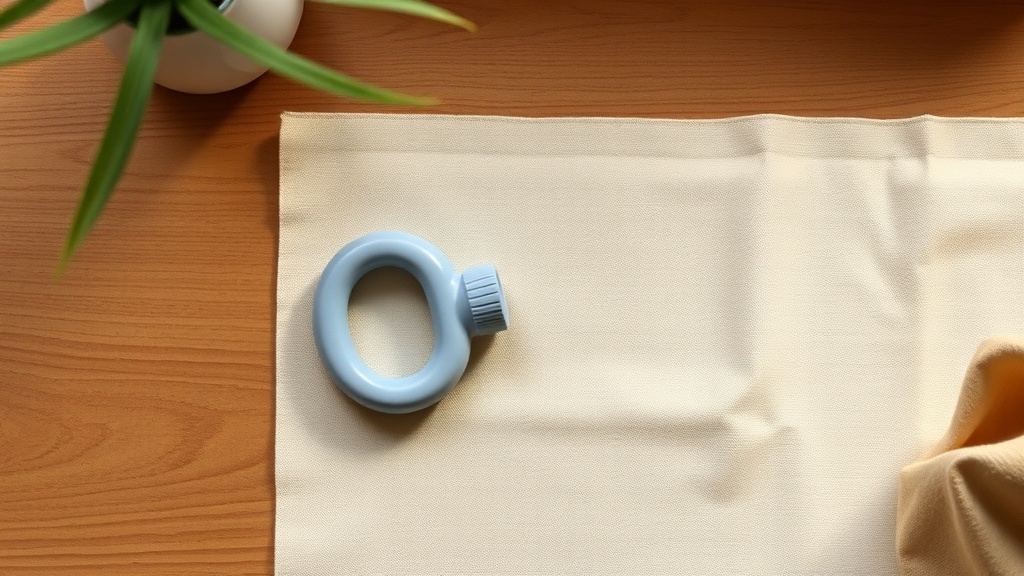
Do plastic baby toys release chemicals when chewed by teething infants?
Avoid soft, sticky, scented, or old plastic toys for babies who mouth and chew. Use teethers made for chewing and choose better-disclosed materials for everyday play.
Short answer
Avoid soft, sticky, scented, or old plastic toys for babies who mouth and chew. A toy that gets chewed is a mouth-contact product.
Hard, clearly tested plastic is different from mystery plastic with no material details.
What the concern is
Plastic baby toys can involve bisphenols, phthalates, flame retardants, colorants, and other additives. Saliva and repeated chewing can pull small amounts from some plastics.
What the research says
A 2025 Chemosphere study tested 162 children's products with artificial saliva and found bisphenol migration, including higher migration in direct oral-contact products.
A 2022 Chemosphere study tested recycled polymeric toy material in artificial saliva for 1 hour. It found migration of BPA, DEHP, DIBP, and flame retardants from some toy parts.
A 2021 Talanta study measured phthalate migration from common plastic materials, including children's toys, into saliva simulant.
What to do instead
Use teethers made for chewing by brands that clearly state the material. Use solid wood toys for play. Retire cracked, sticky, smelly, or very old plastic toys.
The research at a glance
What to use instead
For everyday play, choose solid wood toys and keep separate teethers made for chewing.
Shop Non-Toxic Baby