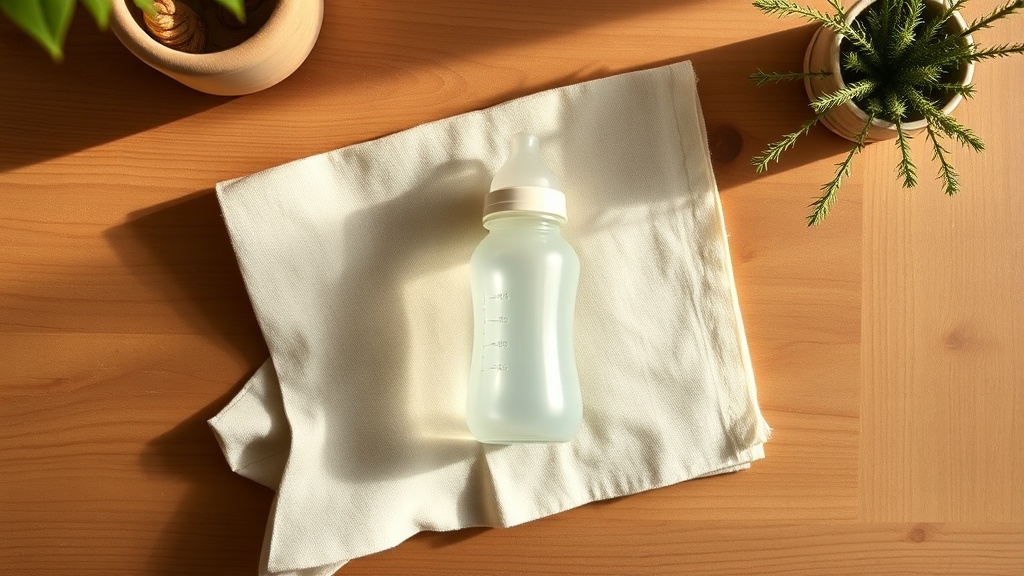
Are polypropylene baby bottles a microplastic concern during feeding?
Yes. Polypropylene bottles can be a plastic exposure concern, especially when heat and repeated use are part of feeding.
What is actually in it
Many baby bottles are made from polypropylene, also called plastic #5. It is light, cheap, and common. The concern is not that one bottle is an emergency. The concern is repeated plastic contact with warm milk or formula.
The cited paper does not measure particle counts from one bottle after shaking or sterilizing. It does say babies can ingest microplastics and nanoplastics from heated or sterilized feeding bottles, then tests what polypropylene particles do during digestion.
What the research says
A 2025 Environmental Pollution study used an infant stomach model to test cow milk proteins with polypropylene microplastics and nanoplastics.
The study found that polypropylene micro and nanoplastics slowed cow milk protein digestion in the infant model. Smaller nanoplastics and oxidized polypropylene had stronger effects.
That is a lab digestion finding. It does not prove that every polypropylene bottle causes harm. It does support a practical swap: use glass or stainless steel for warm milk when you can.
What to do instead
Use glass bottles for warming and feeding when possible. If you already own polypropylene bottles, let boiled water cool before it touches the bottle, avoid shaking hot liquid in plastic, and replace scratched bottles.
The research at a glance
| Study | Journal | Year |
|---|---|---|
| Polypropylene micro- and nanoplastics affect the digestion of cow's milk proteins in infant model of gastric digestion. | Environ Pollut | 2025 |