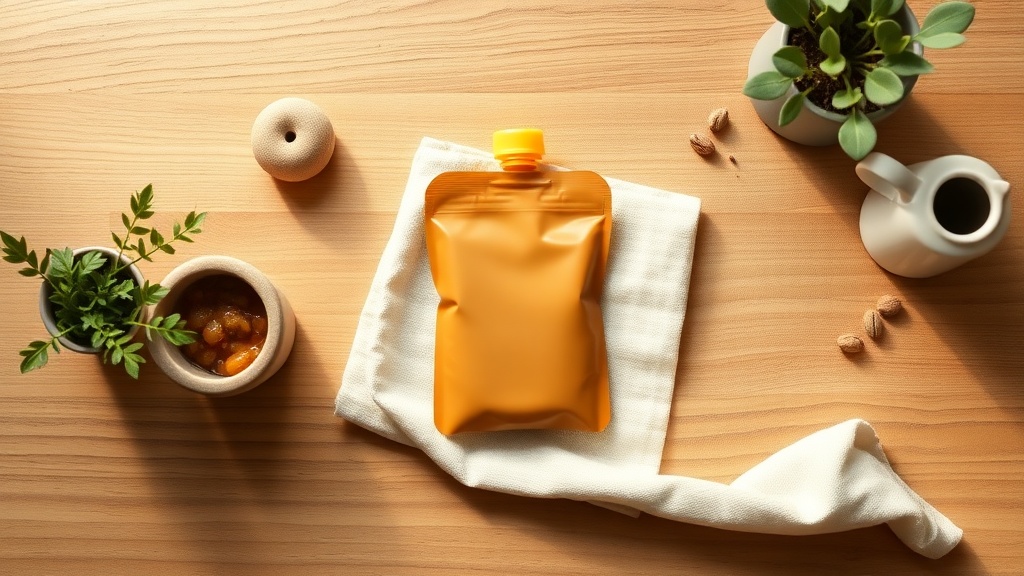
Do baby food pouches contain microplastic contamination?
Use caution. Pouch-specific testing is still limited, but infant foods, food-contact materials, formula, and breastmilk storage bags have all been identified as microplastic exposure pathways.
What's actually in it
Baby food pouches are usually made from layered plastic film. That kind of packaging is light and easy to squeeze, but it is still food-contact plastic.
The honest answer is this: public research on microplastics in baby food pouches is still limited. But research on infant foods, plastic food-contact materials, formula, and breastmilk storage bags shows that babies can be exposed to microplastics through packaging, feeding products, air, and food.
What the research says
A 2026 scoping review in Nutrition Reviews found that infant foods can be contaminated with microplastics during processing, packaging, or through environmental pollution. The review found evidence for microplastics in infant formula, food-contact materials, feeding bottles, breast milk, placenta, meconium, and infant feces.
A 2023 Environmental Pollution study tested single-use breastmilk storage bags. The study found polyethylene, PET, and nylon-6 particles released during simulated use, with estimated infant intake of 0.61 to 0.89 mg per day from those bags.
A 2025 Environmental Research study found microplastics, BPA, and phthalate esters in sampled infant formula brands in Iran. This does not prove every pouch has the same issue. It does support extra care with infant foods and food-contact plastic.
What to do at home
Do not heat baby food in the pouch. Squeeze food into a bowl first. Use pouches for convenience, not every meal. When you make or store food at home, use glass jars instead of disposable plastic pouches.
The research at a glance
What to use instead
For homemade purees and leftovers, glass storage jars are a better fit than disposable plastic pouches.
Shop Non-Toxic Kitchen