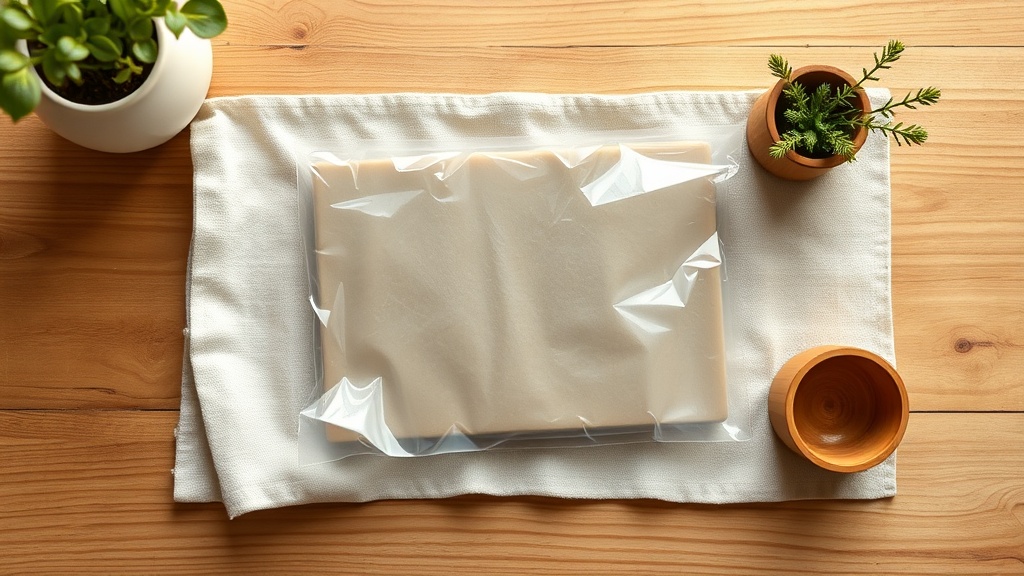
Is it safe to use plastic wrap on hot food?
Avoid plastic wrap touching hot food. Heat, steam, and oily foods are exactly when glass storage, a plate, or a glass lid is the better choice.
Plastic wrap should not touch hot food. Heat, steam, oil, and soft food surfaces increase contact between the film and the meal. That is the exact situation to avoid.
The better move is simple: use a plate, a glass lid, or glass storage. If plastic wrap is the only option, let food cool first and keep the film from touching the food.
What the evidence says
The checked sources are not brand-specific plastic wrap tests. They do show that food-contact materials can release migrating compounds, and that cooking food in plastic packaging can increase transfer of some chemicals. That supports avoiding hot direct contact with plastic wrap.
Better cover rule
- Use a plate or glass lid over hot bowls.
- Let leftovers cool before covering them with plastic wrap.
- Do not microwave food with plastic wrap touching it.
- Use glass storage containers for repeat leftovers.
This page belongs in the kitchen collection because glass storage solves the repeated-use problem.
The research at a glance
What to use instead
Use glass storage for leftovers, especially when food is warm, oily, or stored often.
Shop Non-Toxic Kitchen