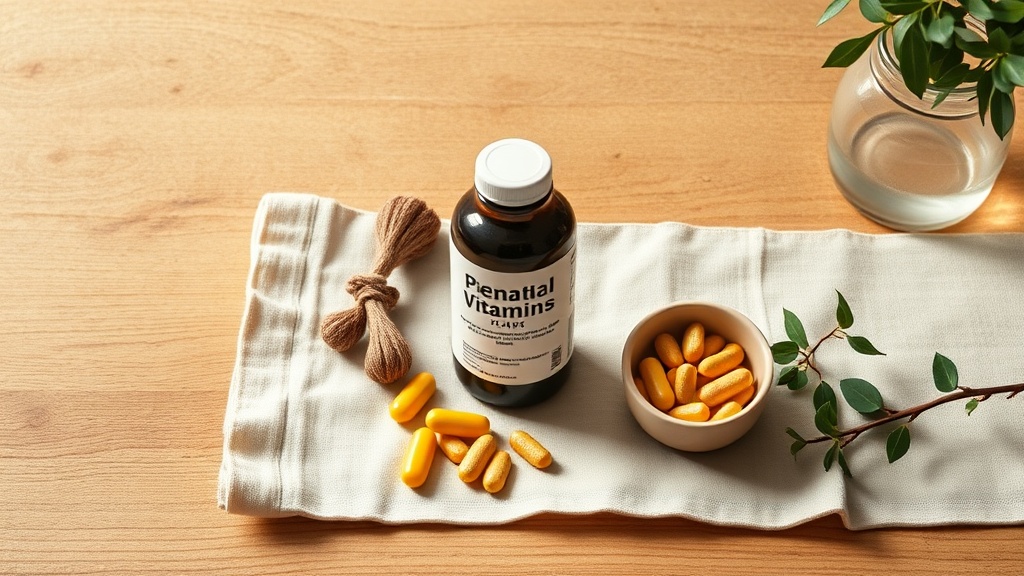
Is tin exposure during pregnancy worth reducing?
Yes. A 2026 study linked higher maternal and placental tin with neural tube defect risk, while CDC notes canned foods can be an important tin exposure source.
What's actually in it
Tin is used in some metal food packaging, and organotin compounds are also used in some industrial and plastic applications. Prenatal vitamins help cover nutrients like folate and iron. They do not block environmental exposures.
Canned food can be part of a normal budget-friendly diet. The useful move is not panic. It is to reduce the highest-repeat exposures and avoid storing opened food in the can.
What the research says
A 2026 study in Environmental Toxicology found higher tin levels in maternal serum and placenta were associated with neural tube defect risk. In animal experiments, tributyltin exposure during pregnancy caused fetal neural tube defects and increased oxidative stress and apoptosis in embryonic neural tissue.
The CDC/ATSDR public health statement for tin says people can be exposed to tin by eating food or drinking liquids from tin-lined cans, and tin levels can rise when food is stored in opened cans.
For pregnancy, keep taking prenatal vitamins as directed. For food packaging, choose glass jars, glass food storage, and fresh or frozen foods when practical. If you open canned food and have leftovers, move them to glass before refrigerating.
The research at a glance
| Study | Journal | Year |
|---|---|---|
| From Association to Mechanism: Excessive Exposure to Tin During Pregnancy May Cause Fetal Neural Tube Defects. | Environ Toxicol | 2026 |
| Tin and Compounds: Public Health Statement | ATSDR | 2013 |