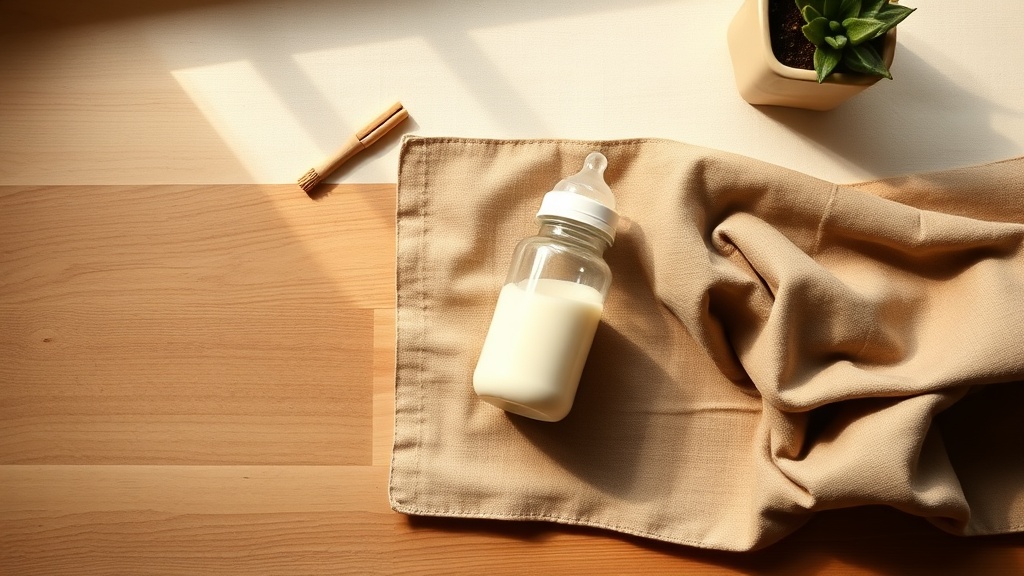
Should you heat formula in polypropylene baby bottles?
Use glass or stainless steel when you can. Heat and sterilizing can increase baby exposure to polypropylene micro and nanoplastics.
What is actually in it
Many baby bottles are made from polypropylene, also called PP. It is common because it is light and hard to break.
The concern is repeated contact between warm formula and plastic. Heating and sterilizing can promote microplastic and nanoplastic movement into milk or formula.
What the research says
A 2025 Environmental Pollution study tested cow milk proteins with polypropylene microplastics and nanoplastics in an infant gastric digestion model.
The study found that cow milk protein digestion was slower in the infant model when polypropylene microplastics were present. Polypropylene nanoplastics further slowed digestion, especially for proteins between 18 and 20 kDa, including likely beta-lactoglobulin.
This is an in-vitro digestion study. It does not prove every polypropylene bottle harms a baby. It does support using glass or stainless steel for warming and feeding where practical.
What to do instead
Warm formula in glass or stainless steel when possible. If you use polypropylene bottles, let boiled water cool before it touches the bottle, avoid shaking hot liquid in plastic, and replace scratched bottles.
The research at a glance
| Study | Journal | Year |
|---|---|---|
| Polypropylene micro- and nanoplastics affect the digestion of cow's milk proteins in infant model of gastric digestion. | Environ Pollut | 2025 |